Can You Get a Tattoo Over Scars? What to Discuss With Your Artist (San Antonio Guide)
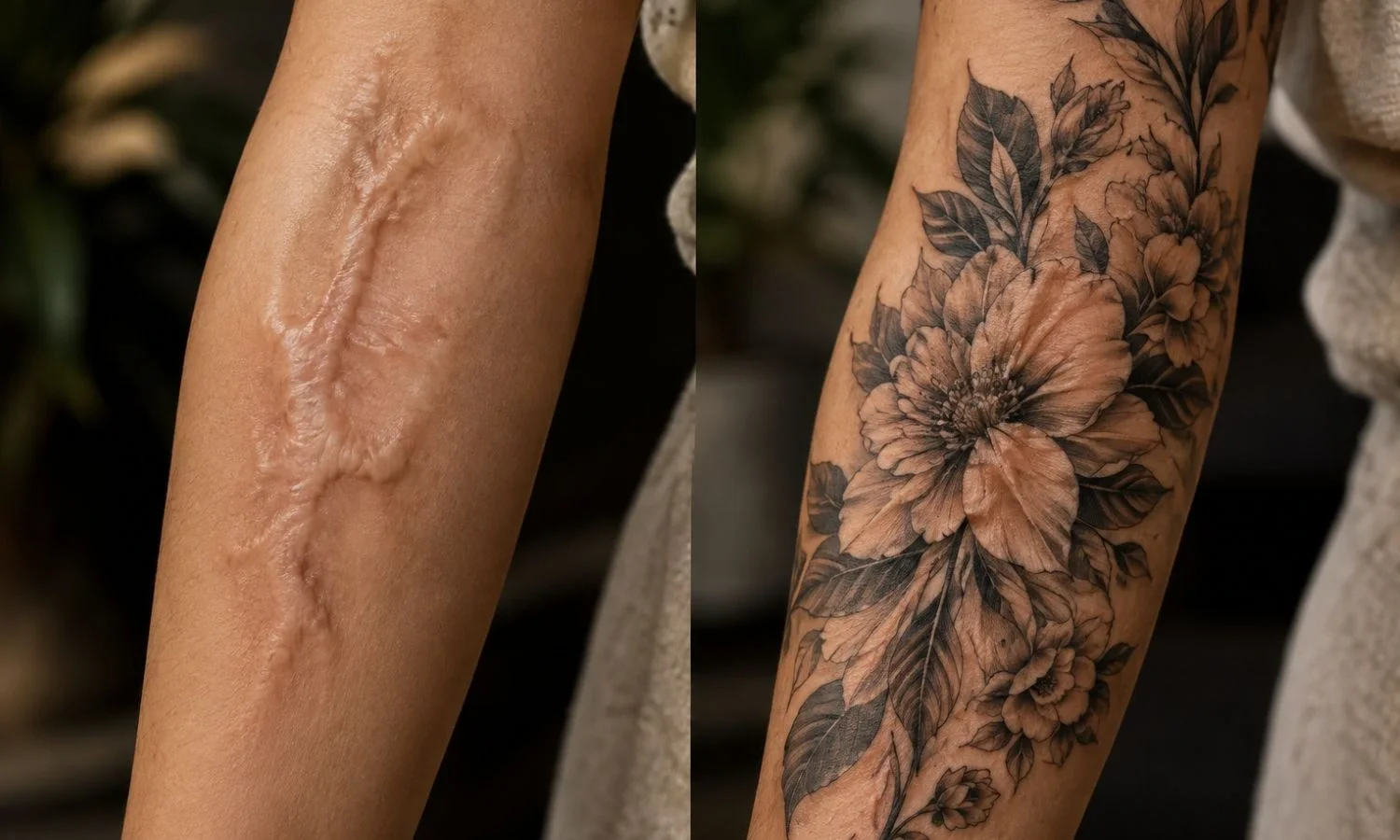
A scar can hold a story, but it does not have to control the way you feel in your skin. If you are considering a tattoo over scars, the right conversation with the right artist matters just as much as the design itself.
What you will get from this guide: clear signs your scar may (or may not) be ready, how different scar types change the plan, a consultation checklist you can bring to your appointment, design strategies that work better on textured skin, and aftercare tips that protect your results.
Southern Tattoo Society is a professional tattoo and piercing studio in San Antonio, Texas. We help first-time clients and experienced collectors approach scar-cover ideas with safety, honesty, and custom artistry-before any needle touches skin.
Table of Contents
Can You Get a Tattoo Over Scars?
Safety Comes First at a Professional Studio
Scar Readiness Depends on Healing and Skin Behavior
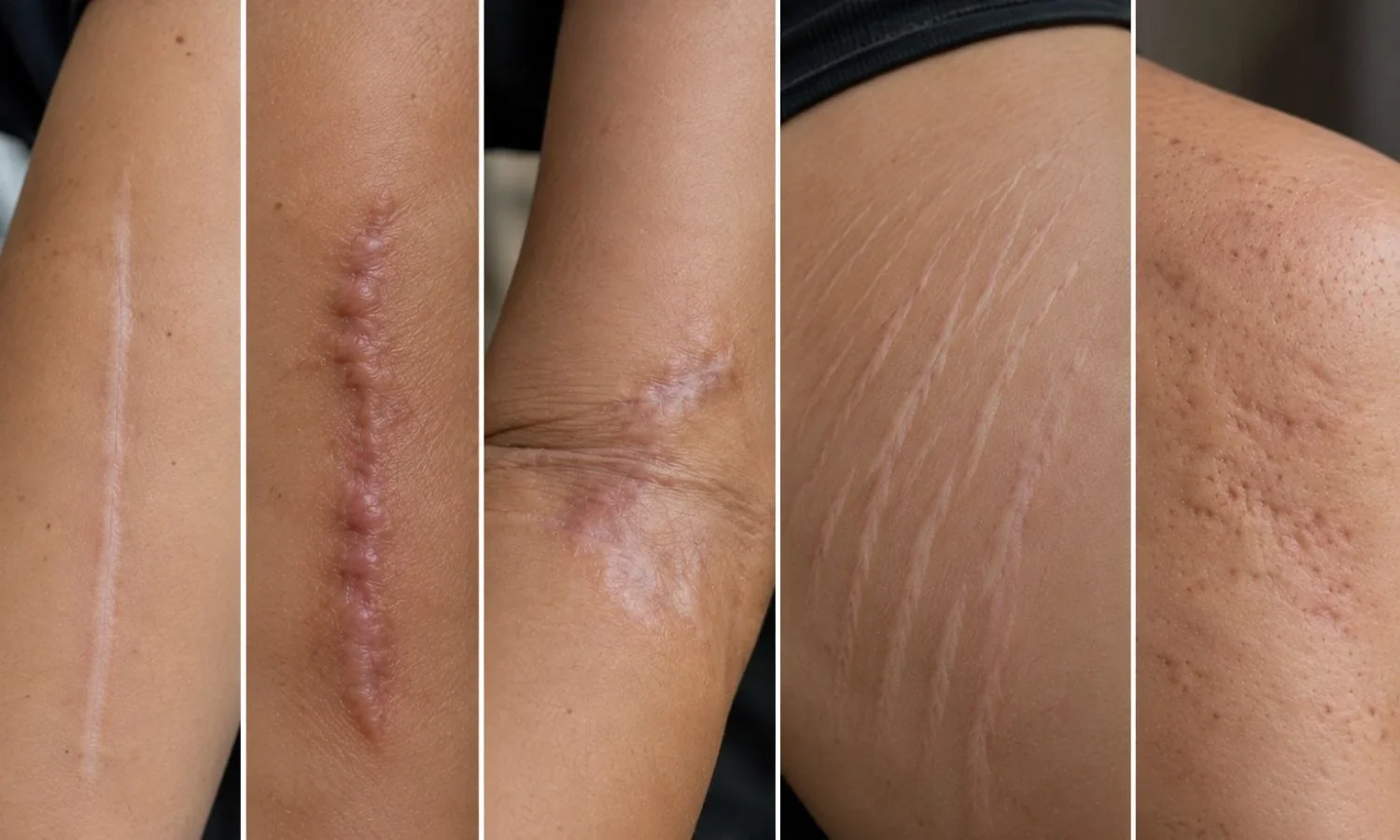
Scar Types Artists Evaluate Differently
What to Discuss During Your Consultation
Design Styles That Can Work With Scarred Skin
What Happens During the Appointment
Aftercare, Touch-Ups, and Long-Term Results
When to Consult a Dermatologist
Next Steps: Book a Scar Tattoo Consultation in San Antonio
Can You Get a Tattoo Over Scars?
Yes, many healed scars can be tattooed, but not every scar is ready or suitable for the same approach. Scar tissue is different from regular skin: it can be thicker or thinner, tighter, shinier, numb in some spots and extra sensitive in others. That means ink can settle differently, lines may behave differently, and healing can be more unpredictable.
That is why a scar tattoo should be planned like a custom project, not treated like a standard walk-in piece. A professional artist needs to evaluate the scar's:
Age and maturity: whether it has stabilized and stopped changing
Texture: flat vs. raised vs. uneven
Color: pale vs. darker pigment vs. persistent red/purple tone
Location: high-movement areas (joints) vs. low-movement areas
Sensation: numbness, hypersensitivity, tingling, or sharp pain
Most importantly, the goal is not just Can ink go there? The goal is: Can we create artwork that looks intentional, heals safely, and holds up long-term?
If you are exploring broader cover-up options beyond scar tissue, see our guide on tattoo cover-ups (when they work and when they don’t).
Safety Comes First at a Professional Studio
Scar cover work should always happen in a clean, professional environment. Southern Tattoo Society is located at 7327 N Loop 1604 W #101A, San Antonio, TX 78249, serving clients near UTSA, La Cantera, The Rim, Helotes, and surrounding San Antonio areas. The studio is known for clean, sterile practices, professional artists, and high-quality work.
Why this matters for scar tattoos: scar tissue can be more reactive. When skin is already altered, you want the safest possible conditions and an artist who will slow down, adjust technique, and tell you the truth about what is realistic.
Whether you are a first-time client or you have a full sleeve, you should expect:
A clear consultation (not pressure)
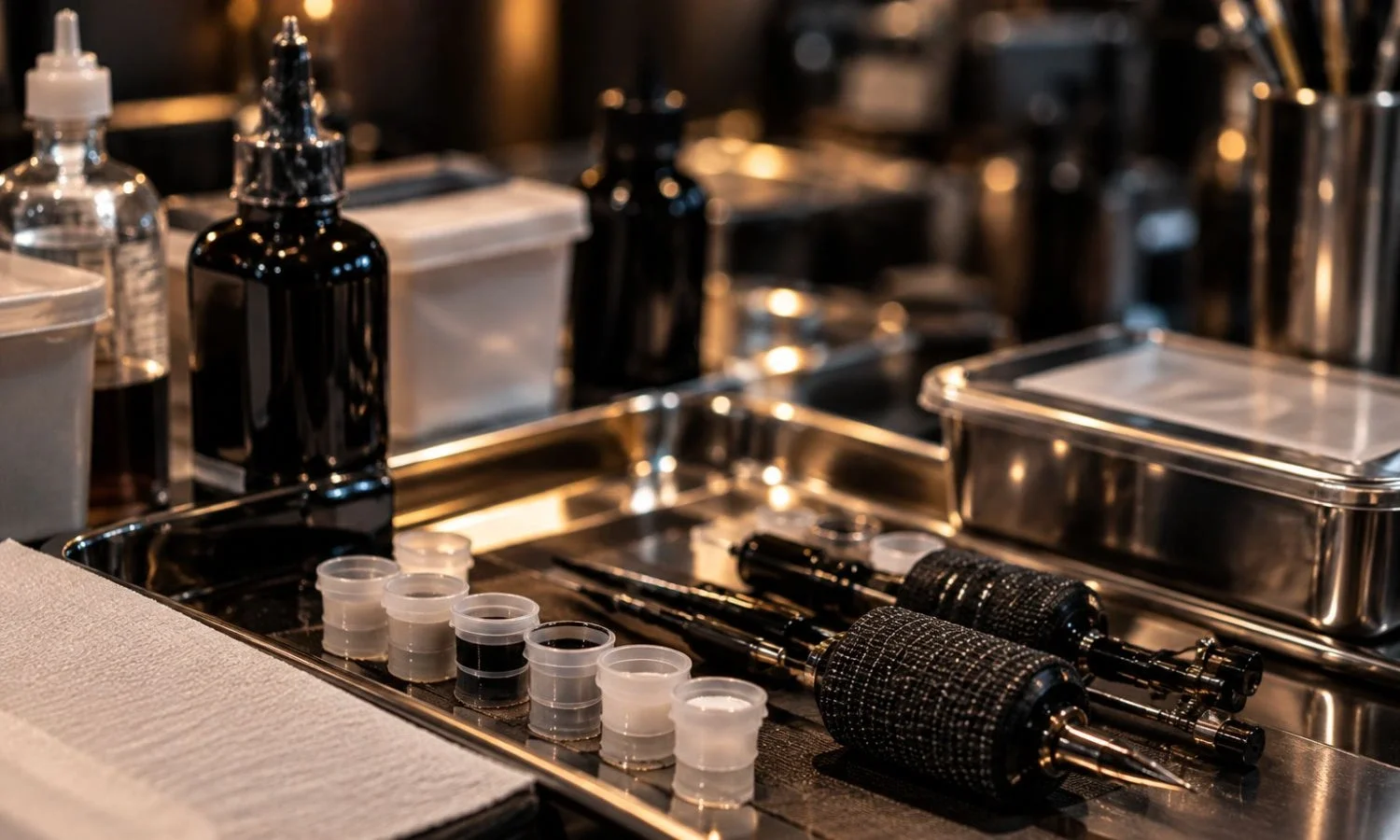
A clean, organized workstation and professional setup
Proper skin prep and hygienic procedures
Aftercare instructions that match your placement and lifestyle
An artist willing to say not yet if your scar is not ready
Founder A.ONE has 23+ years of experience. Experience does not mean every scar can be tattooed immediately-but it does mean you can expect honest guidance about timing, design choices, and how to get the best outcome for your skin.
Scar Readiness Depends on Healing and Skin Behavior
A scar generally needs to be fully healed before tattooing. Closed is not the same thing as ready. A scar can look sealed but still be actively remodeling underneath the surface.
Here are practical signs many artists look for before recommending a tattoo over scars.
Green Flags (Often a Better Sign the Scar May Be Ready)
Fully closed skin: no scabbing, cracking, drainage, or open areas
Stable appearance: not rapidly thickening, spreading, or changing shape
Calm symptoms: not hot, swollen, persistently itchy, or painful day to day
More settled color: typically less red/purple than newer scars
Predictable texture: the surface is not changing week to week
Red Flags (Pause and Get Guidance Before Tattooing)
Inflammation: heat, swelling, ongoing irritation, or frequent flare-ups
Active changes: the scar is still thickening, widening, or growing beyond the injury area
Unusual sensation: sharp pain, nerve-like zapping, or extreme hypersensitivity
Unstable skin: frequent splitting, cracking, or reopening
Keloid history: you form raised scars easily or have confirmed keloids
Important expectation: a tattoo can help camouflage color and draw the eye away from a scar-but it usually will not erase texture completely. Under certain lighting, raised scar tissue can still show through (even with excellent tattooing). The goal is improvement and transformation, not a guarantee of invisible scar.
Scar Types Artists Evaluate Differently
Not all scars respond the same way. During a consultation at a trusted local studio like Southern Tattoo Society, your artist will usually talk through what kind of scar you have and what that means for design, technique, and risk.
Flat Scars
Flat scars are often easier to design over because they do not create as much raised texture. That said, the skin can still be different in tone and sensitivity. Flat scars are often good candidates for:
Fine-line-adjacent designs with enough spacing (not micro-detail packed into the scar)
Black & gray shading that blends transitions
Custom pieces where the scar becomes part of the layout (stem, wave, negative space)
Hypertrophic (Raised) Scars
Hypertrophic scars are raised but stay within the boundary of the original injury. These can be trickier because raised texture can distort crisp detail. Common strategies include:
Using bolder shapes and readable contrast instead of tiny lines
Placing the most detailed focal points on surrounding healthy skin
Using shading and movement to reduce the visual ridge effect
Keloid Scars (and Keloid-Prone Skin)
Keloid scars grow beyond the original injury and can continue to thicken over time. If you have a history of keloids, tattooing requires extra caution because new skin trauma can sometimes trigger additional raised scarring. This is one of the clearest situations where a dermatologist's input can be important before moving forward.
If you are not sure whether you have hypertrophic scarring or keloids, bring it up during your consult. A professional artist can tell you what they see and whether you should get medical clearance before tattooing.
Burn Scars and Skin Grafts
Burn scars and grafts vary widely in thickness, sensitivity, and circulation. Some areas feel numb; others are extremely sensitive. With burn/graft work, an artist may recommend:
Shorter sessions so the skin is not overworked
Simplified designs with strong readability
Staged tattooing (outline and lighter work first, then build depth later)
Because burn injuries can be medically complex, this is another scenario where a dermatologist (or your medical team) may need to confirm the area is stable enough for tattooing.
Stretch Marks
Stretch marks are a form of dermal scarring. Many people successfully tattoo over stretch marks-especially when the marks are older and lighter. Designs that often pair well with stretch mark direction include:
Florals and botanical flow
Ornamental and symmetrical layouts (adjusted to the body)
Abstract shading and illustrative textures
Newer stretch marks (red or purple) may behave differently and may need more time to settle. A consult helps set the right expectation for your skin.
Acne Scarring (Texture Scarring)
Acne scarring is often less about one line and more about surface texture. Depending on placement and severity, softer shading and designs with natural texture can help visually reduce unevenness. Your artist may also recommend avoiding tattooing directly over areas that are actively inflamed.
What to Discuss During Your Consultation
A consultation is where the real planning happens. Bring clear photos if the scar is in a hard-to-show area, and be prepared to talk openly about your goals. You do not need to know tattoo terminology-you just need to explain what you want the finished piece to do for you (cover, distract, frame, or transform).
Bring This Scar Tattoo Consultation Checklist
Scar history: How old is the scar, and what caused it (surgery, accident, burn, acne, stretch marks, etc.)?
Recent changes: Has it raised, widened, darkened, itched, or become painful lately?
Scarring tendency: Do you form thick raised scars or keloids easily?
Medical context: Any skin conditions, medications, or healing issues your artist should know about?
Goal: Do you want to cover it completely, make it less noticeable, or incorporate it into the design?
Style preferences: Fine line, black & gray, Japanese traditional, neo-traditional, American traditional, watercolor, color illustrative?
Size flexibility: Are you open to going a bit larger for better flow and camouflage?
Lifestyle factors: Work clothes, gym routine, outdoor time, swimming, travel-can you protect the tattoo while it heals?
Timeline + budget: Are you prepared for multiple sessions and possible touch-ups?
Questions That Help You Vet the Plan (and the Artist)
Based on my scar texture, is it better to tattoo over the scar, around it, or a mix of both?
Would you adjust line weight or detail level because of this scar?
Should this be a staged project (multiple sessions) to protect the skin?
Can I see healed photos of similar work (not just fresh tattoos)?
What aftercare issues do you see most often with scar tattoos in this placement?
Local Examples (How Goals Can Differ): A student near UTSA may want a smaller custom floral that softens a flat surgical scar. A client coming from Helotes may prefer a larger black & gray piece that uses shadows to pull attention away from raised texture. Someone near The Rim or La Cantera might choose a bold traditional or neo-traditional design that turns the scar into a strong focal story instead of trying to hide it.
If you have quick questions before booking, you can also check our FAQs.
Design Styles That Can Work With Scarred Skin
The best scar tattoo design is usually custom. Scar tissue creates unique texture and movement, so copying a design without adapting it to your body can lead to disappointment. A professional artist will consider where the scar sits, how the surrounding skin moves, and whether the artwork needs bold structure, soft camouflage, or intentional negative space.
Custom Designs and Scar Cover Strategies
Custom tattooing lets the artist build around the scar instead of forcing a flat image onto uneven skin. Practical approaches include:
Integration: the scar becomes part of the design (branch, stem, wave, blade, seam, lightning, abstract line)
Distraction: the focal point sits on surrounding healthy skin; the scar area gets softer supporting shading
Framing: the design intentionally borders the scar rather than saturating every millimeter of it
Fine Line Tattoos
Fine line can be beautiful, but scarred skin may not support tiny details the same way smooth skin does-especially if the scar is raised or uneven. In many cases, the best fine line look on a scar is achieved by:
Slightly increasing line weight for cleaner healing
Leaving more breathing room (less micro-detail in the scar area)
Putting the most delicate detail next to the scar instead of directly on top of it
If you are choosing between subtle detail and stronger contrast, see Fine Line vs. Bold Tattoos (San Antonio).
Black & Gray Tattoos
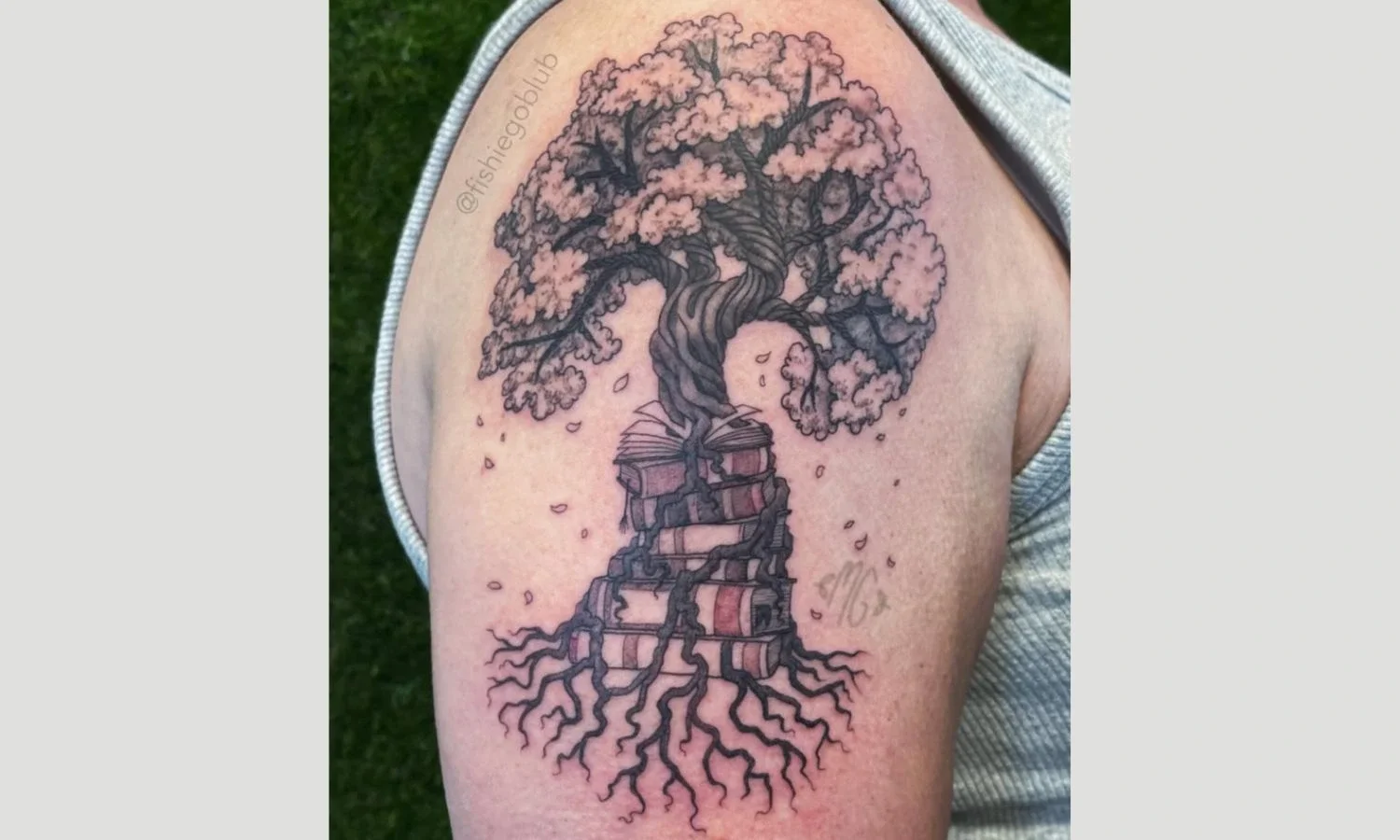
Black & gray is often a strong option for scar work because it uses contrast and shading to guide the eye. It can work well for florals, animals, realism-inspired pieces, and soft illustrative designs. With scar tissue, your artist may plan:
Smoother gradients that transition over texture
Strategic contrast so the scar does not become the visual bright spot
Room for a touch-up once the first heal shows what the skin accepted
American Traditional, Neo-Traditional, and Japanese Traditional
Traditional styles often use bold outlines and readable shapes-qualities that can help when the skin has texture. Depending on placement and scar type, these styles can be great for cover-ups because they do not rely entirely on tiny details. Examples of elements that can create strong flow around scars:
American traditional: roses, daggers, eagles, skulls, banners
Neo-traditional: richer shading, ornamental framing, stylized animals and florals
Japanese traditional: waves, peonies, koi, wind bars, clouds (excellent for movement and larger layouts)
Watercolor and Color Illustrative
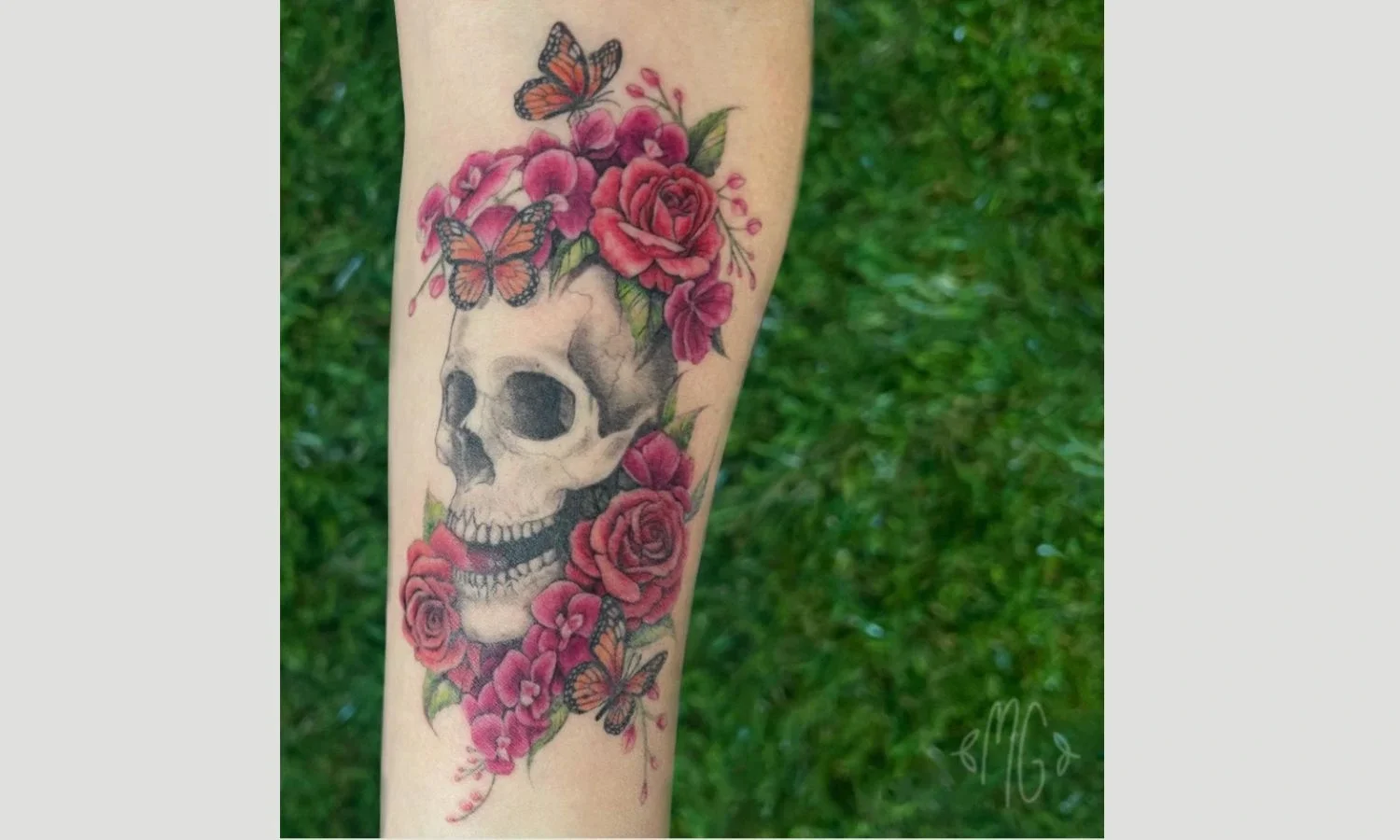
Color can absolutely be part of a scar tattoo plan, but it can be less predictable on scar tissue. Depending on the scar, your artist may recommend:
Using black/gray structure with selective color accents for longevity
Choosing color palettes that stay readable even if the scar heals slightly lighter in spots
Planning for a second pass (touch-up) to strengthen saturation once healed
What Happens During the Appointment
Your tattoo appointment should feel organized, clean, and clear. The artist will review the design, confirm placement, prepare the skin, and make sure you understand the plan before starting.
What Can Be Different When Tattooing Scar Tissue
Sensation can be uneven: numb in one spot, intense a few inches away
Pace may be slower: artists often work more carefully on scar tissue to reduce trauma
Technique may be adjusted: needle choice, pressure, and saturation strategy can change based on how the skin responds
Multiple sessions may be smarter: especially for bigger cover-ups or thicker texture
First-time clients: it is okay to ask for a pause, ask what step is happening next, or say if a sensation feels unusual. Experienced clients: avoid assuming the scarred area will feel like previous tattoos-communication is part of getting the best result.
Aftercare, Touch-Ups, and Long-Term Results
Aftercare for a tattoo over scars is usually similar to standard tattoo aftercare, but consistency matters even more. Follow the instructions your artist gives you, because they know what was done during your session and how your skin looked that day.
Aftercare Priorities That Protect Scar Tattoo Results
Keep it clean: wash gently as directed and avoid harsh scrubbing.
Use aftercare products correctly: too much ointment can irritate skin; too little care can lead to cracking and dryness.
Protect from friction: clothing, straps, workouts, and sleeping positions can disturb healing.
Avoid soaking: skip pools, hot tubs, and long baths while healing.
Avoid sun exposure: UV can fade tattoos and irritate healing skin (a big deal in Texas sun).
Watch for problems: unusual swelling, heat, spreading redness, fever, or discharge should be taken seriously.
If you want a deeper breakdown of what to expect, read How Long Does a Tattoo Take to Heal?
Touch-Ups: Normal, Not a Failure
Touch-ups may be part of the process. Scarred skin can reject or soften ink in small areas, especially where texture is thick or uneven. A touch-up does not mean the tattoo failed; it can simply be part of creating a more finished result after the first heal shows what the skin accepted.
Long-Term Care
Once fully healed, basic skin care and sun protection go a long way. Moisturized skin tends to show tattoos better, and consistent SPF helps slow fading-especially for large scar cover pieces that rely on smooth shading and contrast.
When to Consult a Dermatologist
You should consider speaking with a dermatologist before tattooing if your scar is painful, actively changing, very raised, prone to keloids, related to a burn or graft, or connected to a medical condition. You should also seek medical input if you are unsure whether the skin is fully healed.
Tattoo artists can evaluate tattoo readiness from an artistic and practical standpoint, but they cannot diagnose skin conditions. A dermatologist can help you confirm whether the area is stable enough for tattooing-then your artist can focus on building a design that fits your goals and respects the skin.
Next Steps: Book a Scar Tattoo Consultation in San Antonio
If you are planning a scar cover-up, the biggest difference between an okay result and a great one is usually planning: the right timing, the right design strategy, and an artist who takes safety seriously.
Ready to talk through your idea with a trusted San Antonio studio? Book a consultation with Southern Tattoo Society at 7327 N Loop 1604 W #101A, San Antonio, TX 78249. We will evaluate your scar in person, recommend an approach that fits your skin, and create a custom design that fits your style.
Schedule your consultation online at Southern Tattoo Society.