Fine Line vs. Bold Tattoos in San Antonio: Which Style Lasts Longer?
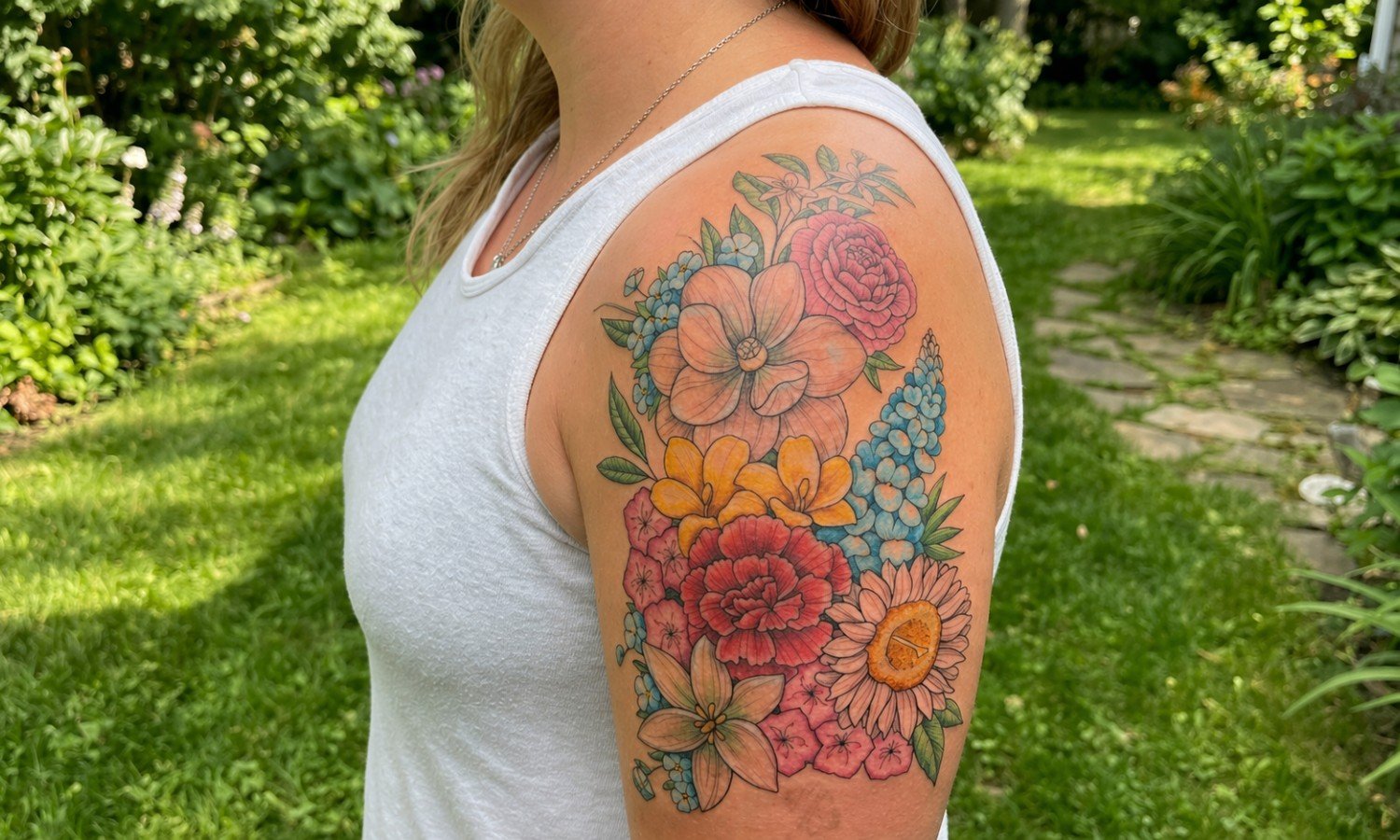
San Antonio has no shortage of great ink. Spend a weekend around the Pearl, Southtown, or up near La Cantera and you’ll see everything from tiny botanical pieces to bold American traditional sleeves.
But if you’re deciding between fine line and bold styles, you probably have one practical question: which one actually lasts longer in real life—especially in the South Texas sun?
In this guide, we’ll break down how each style ages, what makes tattoos fade faster, and how to choose the right approach for your skin, placement, and lifestyle. You’ll also get straight answers on safety, the design process, and aftercare—so you can walk into your consultation confident.
Table of Contents
Quick Answer: Fine Line vs Bold Longevity
Why Tattoos Age (and Why San Antonio Matters)
Fine Line Tattoos: What They Are + How They Hold Up
Bold Tattoos: What They Are + Why They Tend to Last
Placement Guide: Where Each Style Lasts Best
Design Process: From Idea to Stencil to Session
Safety and Professionalism: What to Look for in a Studio
Aftercare in Hot Weather: Protect the Work You Paid For
Touch-Ups: What’s Normal and What’s Avoidable
Book a Consultation at Southern Tattoo Society
Quick Answer: Fine Line vs Bold Longevity
If you want the straight answer: bold tattoos usually last longer with less maintenance.
Thicker lines and heavier pigment are designed to stay readable even after years of natural softening. A bold piece can fade a little and still look intentional because the structure is strong.
Fine line tattoos can absolutely last—but they’re less forgiving. They rely on clean technique, smart spacing, and long-term sun protection. If the design is too small, too tight, or placed in a high-friction spot, fine line can blur or fade faster.
A quick longevity cheat sheet
Most forgiving: bold outlines + solid black + clear shapes
Most sensitive: ultra-thin lines, tiny lettering, micro details packed close together
Biggest real-world factor: how much sun and friction the tattoo gets
Best move (either style): go slightly larger than your first instinct
Who should choose what?
Choose fine line if you want a clean, minimal look and you’re willing to protect it (especially with SPF). It’s perfect for subtle designs, personal symbols, and delicate details—as long as the design is built to age.
Choose bold if you want maximum readability over time, you work outdoors, you’re hard on your hands/arms/legs, or you simply want the tattoo to keep its punch without constant maintenance.
If longevity is your #1 priority: go bolder, go slightly larger, and choose a placement that doesn’t get cooked by sun or scraped by daily life. If your priority is a clean, minimal look, fine line can be the right move—just design it like you want it to still make sense 5, 10, 20 years from now. Want help choosing the right artist for your style? Start by checking out the Southern Tattoo Society artists.
Why Tattoos Age (and Why San Antonio Matters)
All tattoos change over time. That’s not a flaw—it’s biology.
Here’s what’s happening under the surface: tattoo ink sits in the dermis (the stable middle layer of skin). Your body treats that pigment like a foreign particle. Over time, your immune system slowly breaks down and carries away tiny bits of it. At the same time, the remaining ink can spread microscopically within the dermis. That spread is why crisp edges soften and tiny details can blur.
The 5 biggest factors that decide how your tattoo ages
Sun (UV exposure): UV light breaks down pigment. More sun = faster fading.
Friction: Areas that rub (waistbands, socks, boots, gloves, hands) shed outer skin more aggressively over time.
Placement + skin quality: thin, stretchy, or constantly moving skin tends to show aging faster than thicker, more stable areas.
Technique: clean depth and saturation matter. Too shallow heals light. Too deep can cause ink spread (blowout).
Aftercare + long-term care: the first month sets the foundation, and sunscreen keeps the results.
Why San Antonio matters specifically
Local climate isn’t just a vibe—it’s a variable. San Antonio gets a lot of sun, and even “incidental” exposure adds up when you’re driving on 1604, walking near UTSA, running errands at The Rim, or just sitting on a patio.
Heat and sweat don’t automatically ruin tattoos, but they can complicate healing if you smother a fresh tattoo under thick ointment or tight clothing. That’s why the best aftercare is simple: clean it, protect it, and let it breathe. If you like having every step spelled out, the Southern Tattoo Society FAQs are a good place to start.
How fading actually shows up (so you know what’s normal)
Softening: lines look less “sharp” than day one.
Lightening: blacks look more charcoal, colors look less saturated.
Loss of micro detail: tiny texture, tiny script, or tight spacing becomes harder to read.
Bottom line: a tattoo that’s designed and applied for longevity can hold up in San Antonio. But the smaller and lighter the tattoo is, the more your lifestyle matters.
Fine Line Tattoos: What They Are + How They Hold Up
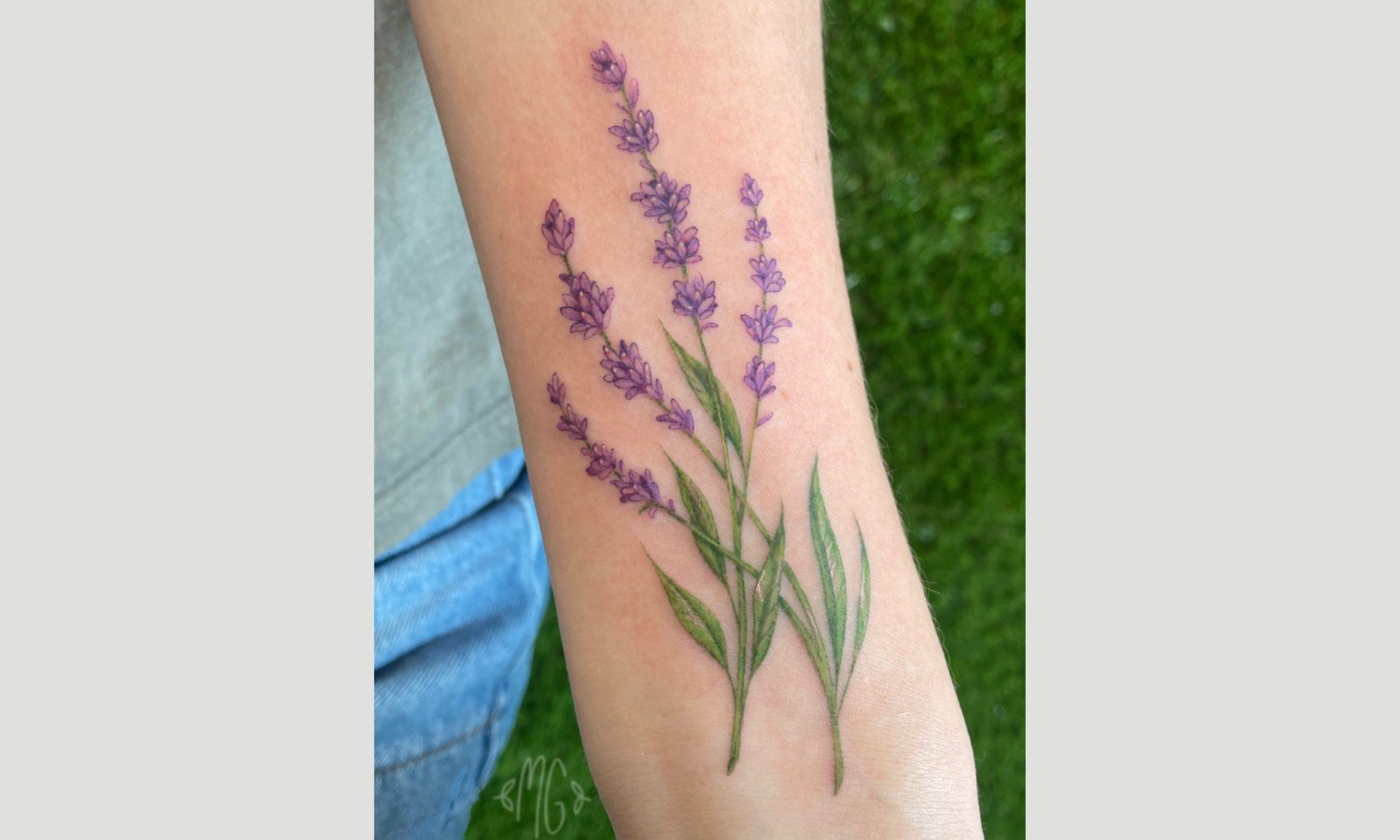
Fine line work is exactly what it sounds like: thin, precise lines and minimal shading that creates an elegant, “light touch” look. When it’s done right, it looks clean and custom—like it was made for your body.
Why people love fine line
It’s subtle and modern.
It photographs well when it’s fresh.
It works great for minimal designs with meaning.
It can be placed almost anywhere (with realistic expectations).
Fine line designs that typically age best
Simple florals with clean outlines and breathing room
Minimal symbols with clear negative space
Linework animals that rely on shape more than tiny texture
Script that’s sized appropriately (not micro-text)
The hard truth: fine line is less forgiving
Fine line is a style where the margin for error is tiny. If ink is placed too shallow, the tattoo can heal light or patchy. Too deep, and you increase the risk of ink spreading under the skin (blowouts) that can thicken lines as it heals.
It’s also a style where design decisions matter more than people think. A fine line tattoo can look perfect on day one and still become hard to read later if it’s too small or packed too tight.
Four rules that make fine line last longer
1. Spacing matters more than people think
If lines are too close together, natural ink spread can cause details to “fill in” over time. A strong fine line artist designs with breathing room so the tattoo still reads when it softens.
Example: if you want a flower, you don’t need 30 tiny petals. You need a design with clean structure that will still look like a flower when the edges soften.
2. Size is your best friend
Going just 15–30% bigger often makes the tattoo look better long-term—while still staying minimal. That extra space gives the ink room to settle without turning into a blur.
3. Contrast can be subtle—but it has to exist
Fine line doesn’t mean “no contrast.” Contrast can come from line weight variation, small areas of shading, or a clean outline that separates the design from your skin tone. Without enough contrast, the tattoo can look washed out sooner.
4. Sun protection is non-negotiable
Because fine line often uses less pigment and lighter contrast, sun damage is more obvious. Once the tattoo is fully healed, SPF is the difference between “clean and crisp” and “what happened to it?”
This is why choosing an artist who actually specializes in the technique matters—especially if you’re chasing the fine line tattoo San Antonio look you see online. Don’t just look at fresh photos. Ask to see healed work and healed close-ups. That’s where the truth is.
Bold Tattoos: What They Are + Why They Tend to Last
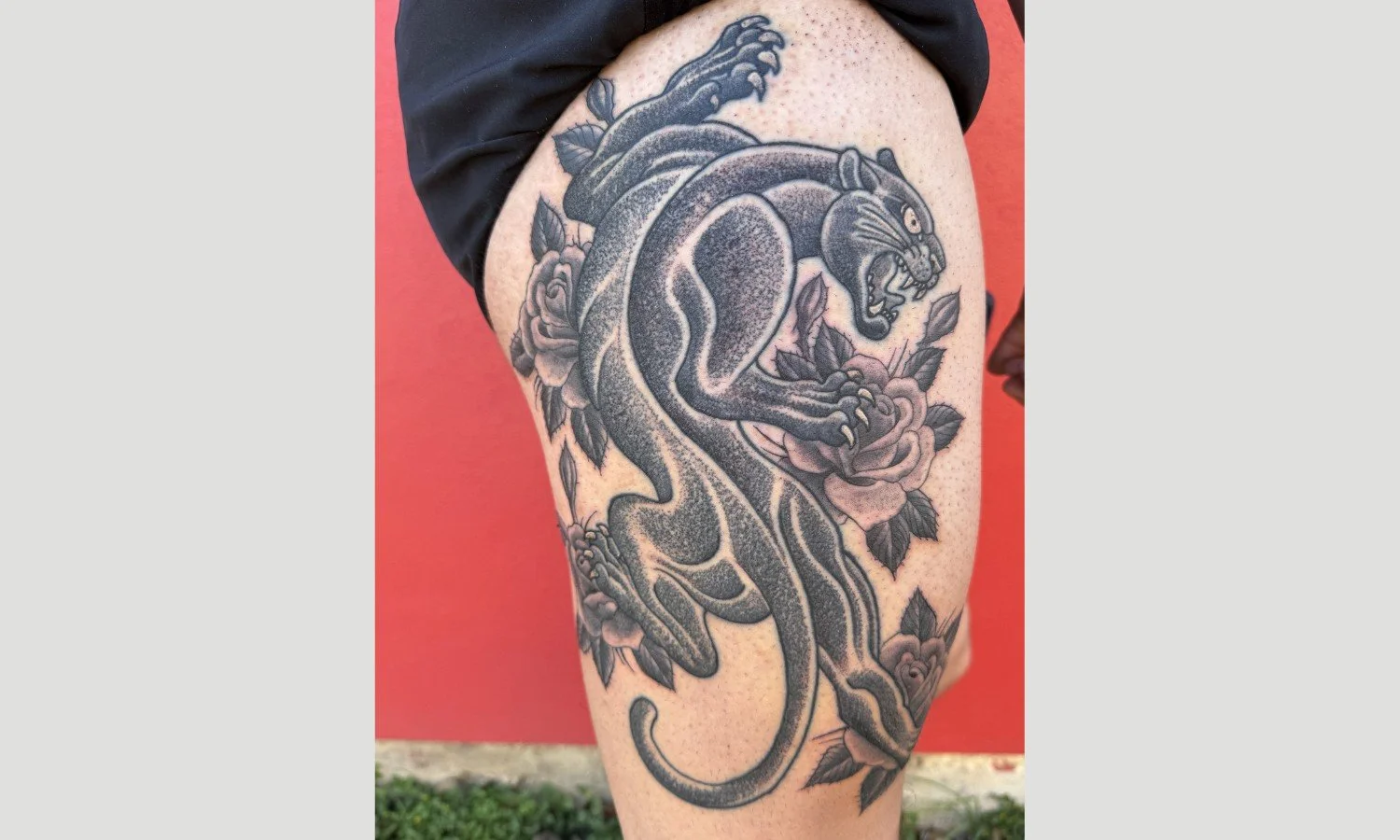
“Bold” can mean a few things—American traditional, neo-traditional, Japanese traditional, blackwork, or any style built on strong contrast. The common thread is simple: bold tattoos are built for readability.
What bold designs usually include
Thicker line weights
Solid black packing
Strong contrast (dark darks, clear lights)
Readable shapes from a distance
Why bold tattoos tend to last longer
All tattoos soften. Bold tattoos are designed to survive that softening.
Thicker lines: when a thick outline spreads slightly, it still looks like a clean outline.
More pigment: there’s more “ink in the bank,” so it takes longer to look washed out.
Clear structure: the tattoo still makes sense even if tiny details fade.
When bold is the smarter choice
You’re outside a lot (work or weekends).
You want the tattoo to stay readable from across the room.
You like classic styles that age the way they’re supposed to.
You don’t want to stress about touch-ups as much.
Bold doesn’t mean “basic”
Bold can still be custom, clean, and personal. It just means the artist designs with strong line weight and readable shapes—so the tattoo stays legible as your skin changes. If you’re torn between bold traditions and modern minimalism, take a look at the range of styles on the artists page to see what fits you.
Placement Guide: Where Each Style Lasts Best
Placement affects longevity almost as much as style. Two people can get the same design from the same artist, and the one who chose a better placement will often have the better-looking tattoo years later.
What makes a placement “good” for longevity?
Stable skin: not too thin, not too stretchy, not constantly bending.
Lower friction: less rubbing from clothing, shoes, gloves, or equipment.
Controllable sun exposure: you can cover it easily or protect it with SPF.
Best placements for fine line longevity
Outer forearm: stable skin, easy to protect with SPF, easy to keep clean.
Upper arm: less friction, consistent healing for many clients.
Upper back / shoulder blade: lower daily wear, usually less sun exposure.
Thigh: generally a solid canvas and easier to keep out of the sun.
High-risk areas for fine line
Fingers and hands: constant washing + friction = faster fading.
Feet and ankles: sock/shoe friction, plus tougher healing if you’re on your feet all day.
Inner arm: more movement and friction; still doable, just not the easiest canvas.
Ribs and sides: movement from breathing and twisting can make healing harder.
Where bold styles shine
Bold work holds up better in areas that get more wear—hands, lower legs, and high-motion spots—because the design starts with more contrast and pigment.
Pain (quick and honest)
Pain is personal, but here’s a useful rule: more padding usually hurts less. More bone and thin skin usually hurts more. If you’re nervous (first tattoo), a good artist will help you choose a placement that balances comfort, healing, and longevity.
Design Process: From Idea to Stencil to Session
Whether you’re getting your first tattoo or adding to a full collection, a solid process matters. Great tattoos don’t happen by accident—they’re planned.
Step 1: Consultation (where the real work starts)
A consultation should feel collaborative. You bring the idea and references. The artist brings experience: what will fit your body, what will age well, and what details need to change to make the tattoo last. If you want to line up a consult, the fastest move is to reach out here.
Bring 2–6 references (not 25). Quality beats quantity.
Point out what you like (line weight, shading, placement, mood).
Be clear about the goal: subtle and minimal, or bold and loud.
Step 2: Design choices that protect you long-term
This is where good artists save you from future regret. They’ll look at your concept and make decisions that support longevity:
Adjusting size so details don’t blur together later
Choosing line weight that matches the placement and your skin
Creating spacing so the tattoo keeps its shape over time
Building contrast so it stays readable as it heals and settles
Step 3: Stencil and placement check (don’t rush this)
The stencil is the last checkpoint before it becomes permanent. Take your time:
Look at it in the mirror.
Move your arm/leg/torso and see how it shifts.
Check alignment with your natural anatomy.
Speak up if something feels off.
Step 4: The session (what pros do differently)
A professional artist works clean and controlled. That means proper prep, controlled depth, and a steady pace—especially for fine line. Rushing is how mistakes happen.
And if you’re getting tattooed in San Antonio summer heat: show up hydrated, eat beforehand, and plan clothing that won’t rub your fresh tattoo on the way home.
Safety and Professionalism: What to Look for in a Studio
Tattoos are art—but they’re also a skin procedure. Professionalism is non-negotiable.
What you should expect from a reputable San Antonio studio
Clean, sterile practices and a workspace that looks like it takes hygiene seriously
Single-use, disposable supplies where appropriate, and professional sterilization standards
Barrier protection on surfaces that get touched during the session
Clear aftercare instructions (not a vague “just keep it clean”)
Professionals who answer questions without getting defensive
Green flags that you’re in the right place
The station looks organized before the session starts.
Needles and supplies are opened in front of you.
The artist explains what they’re doing and why.
You’re given realistic expectations about healing, fading, and touch-ups.
Aftercare in Hot Weather: Protect the Work You Paid For
The first 2–4 weeks matter a lot—especially for fine line. In San Antonio heat, the goal is simple: clean, dry, protected.
The first 48 hours (keep it simple)
Follow your artist’s bandage instructions. Different coverings have different timelines.
Wash gently with unscented soap as directed.
Pat dry (don’t rub), and avoid trapping sweat under tight clothing.
Moisturize lightly—more product is not better.
Days 3–10 (the itch + flake phase)
This is where people get impatient. The tattoo may look dull, it may flake, and it may itch. That’s normal. Your job is to let it heal without interfering.
Don’t pick or scratch. That’s how you pull ink out and create patchy spots.
Keep showers short and warm (not hot). Let water run over it.
Wear loose clothing to prevent friction.
Weeks 1–3 (protect the healing)
No soaking: avoid pools, hot tubs, and long baths until fully healed.
Limit gym friction if your tattoo sits under tight clothing or equipment contact.
Avoid direct sun. Cover it with loose clothing if you’re outside.
After it’s healed (this is the longevity play)
Once healed, sunscreen is what separates tattoos that age clean from tattoos that fade fast. If you want your lines and contrast to hold, use SPF on exposed tattoos—especially in summer.
Bold tattoos can tolerate small mistakes a little better. Fine line shows everything—so long-term protection matters more.
When to reach out
If something feels off—excessive redness that spreads, unusual swelling, heat, pus-like discharge, or fever—don’t guess. Reach out to your artist for guidance, and seek medical help if needed. Safe healing is part of the process. If you need to get in touch quickly, use the contact page.
Touch-Ups: What’s Normal and What’s Avoidable
Touch-ups aren’t a sign of failure. They’re common—especially with fine line, micro detail, and high-friction placements. Sometimes it’s not about mistakes; it’s just how your skin heals.
What’s normal
Small areas that heal lighter than expected
Light shading that settles softer than it looked on day one
Hands/feet fading faster than other placements
What’s avoidable
Unnecessary fading usually comes from:
Going too small with too much detail
Poor placement choices (especially for fine line)
Skipping aftercare or over-moisturizing
Sun exposure during healing
When to consider a touch-up
Most artists will tell you to wait until the tattoo is fully healed and settled before judging it. That usually means giving it several weeks at minimum. If it still needs a little reinforcement after that, a touch-up can bring everything back into balance.
The goal is always the same: make the tattoo look clean and keep it designed for the long run—so you’re not “chasing” it forever.
Book a Consultation at Southern Tattoo Society
If you’re deciding between fine line and bold, the fastest way to get clarity is a consultation with artists who take the craft seriously. At Southern Tattoo Society, we’ll talk through your idea, placement, size, and what will age best on your skin—then build a custom plan from there.
Southern Tattoo Society7327 N Loop 1604 W #101ASan Antonio, TX 78249
Book your consultation: https://www.southerntattoosociety.com/
And if you’re ready to lock in that fine line tattoo San Antonio piece you’ve been saving for months, bring your references—let’s turn the idea into ink that lasts.