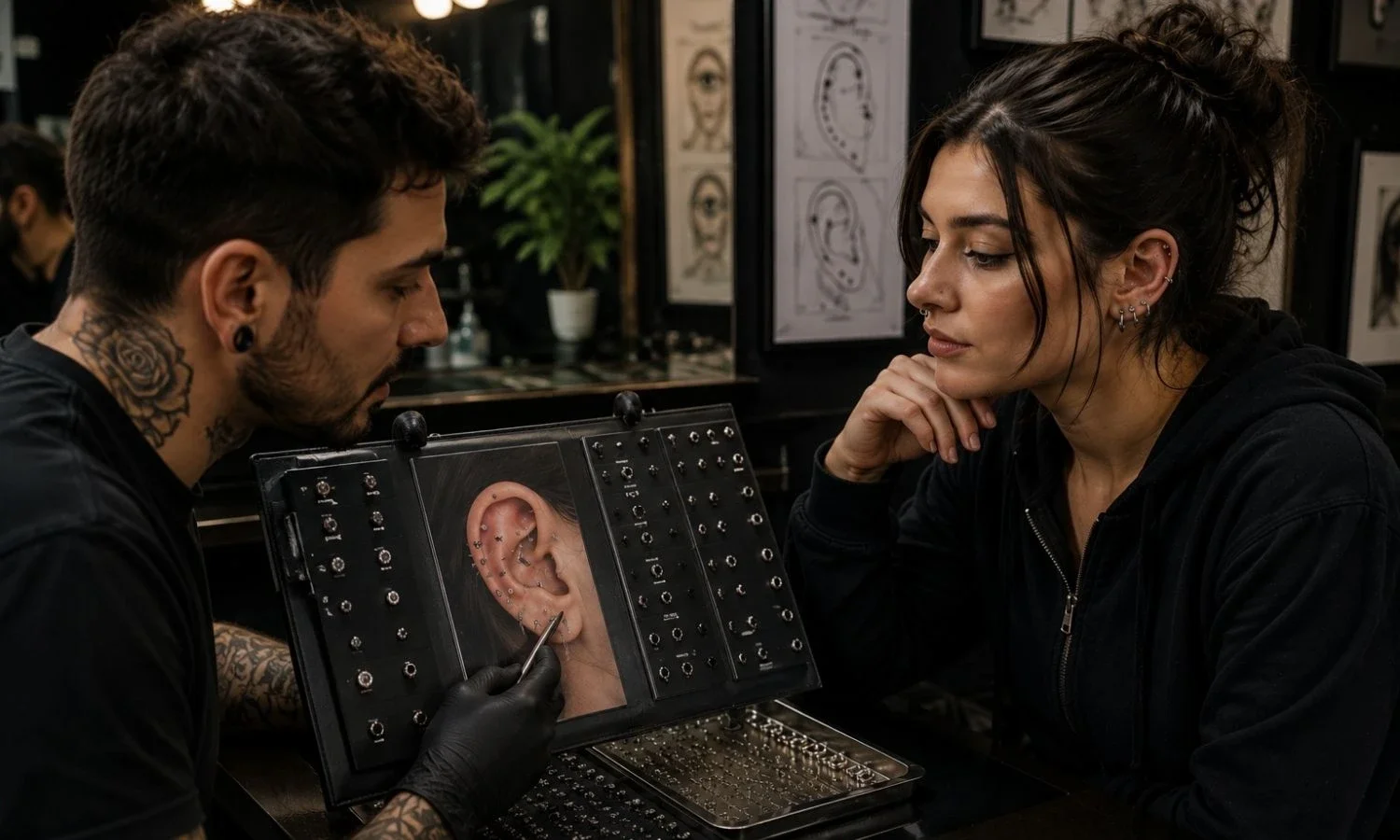
Piercing Jewelry Guide: What Materials Are Best for a New Piercing?
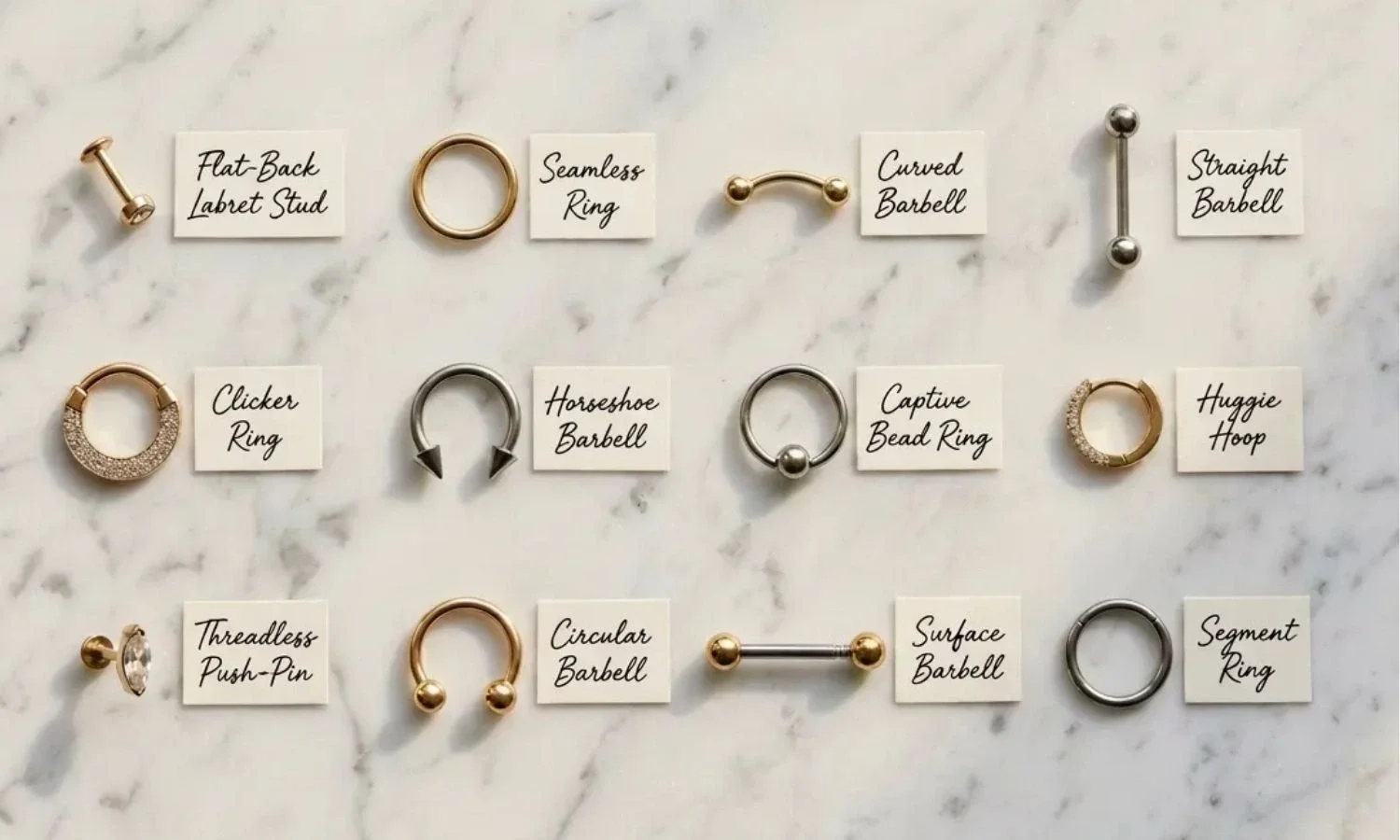
If you’re Googling best metal for piercings, you’re already asking the right question. A new piercing isn’t just an accessory—it’s a healing wound. And the jewelry you start with can make healing smooth… or turn it into weeks (or months) of irritation.
In this guide, we’ll break down the safest, most commonly recommended jewelry materials for fresh piercings (and what to avoid). You’ll also learn how professional piercers choose the right material and the right fit, what “implant-grade” really means, and aftercare basics that protect your healing.
Local note: This is written for San Antonio clients who want professional results—from first-timers to seasoned collectors. At Southern Tattoo Society (7327 N Loop 1604 W #101A, San Antonio, TX 78249), we see every scenario: sensitive skin, rushed jewelry swaps, mystery metals, and the “it looked fine online” mistakes. If you’re exploring options, start here: piercings at Southern Tattoo Society.
Quick answer: What’s the best material for a new piercing?
For most people, the best metal for piercings—especially brand-new piercings—is implant-grade titanium (often labeled ASTM F136). It’s lightweight, corrosion-resistant, and widely chosen for clients who want a low-risk start.
That said, “best” depends on the piercing location, your anatomy, your sensitivity history, and the jewelry style you’re starting with. A professional piercer should match material + size + shape to your body, then give you a clear plan for downsizing and aftercare.
Table of Contents
Why Jewelry Material Matters for Healing
What “Implant-Grade” Actually Means (and Why Labels Can Be Misleading)
Best Materials for New Piercings (Ranked)
Material + Starter Jewelry by Piercing Type (Quick Guide)
Materials to Avoid for Fresh Piercings
Fit, Threading, and Style: The Stuff That’s Just as Important as Metal
Aftercare Basics That Protect Your Jewelry (and Your Healing)
Troubleshooting: Signs Your Jewelry Isn’t Working
Why Getting Pierced by a Professional in San Antonio Matters
Frequently Asked Questions: New Piercing Jewelry Questions We Hear All the Time
Book a Consultation at Southern Tattoo Society
Why Jewelry Material Matters for Healing
A new piercing is your body building a stable channel around the jewelry. During that process, the jewelry is in constant contact with fresh tissue—plus sweat, skincare products, hair products, makeup, and whatever your day throws at you. If the material is low-quality, reactive, or poorly finished, it can cause:
Irritation bumps (often from friction, pressure, or excess movement)
Swelling that doesn’t calm down because the piece isn’t sized correctly
Redness/itchiness that feels like an allergy reaction
Delayed healing from corrosion or surface roughness
Here’s the important part: material is only one piece of the puzzle. The safest jewelry is high-quality metal plus the correct length/gauge, the right style for that placement, and a smooth finish. That’s why professional piercing isn’t “just a needle”—it’s a full setup decision.
And if you’ve ever had earrings that made your lobes angry, a watch back that left your skin itchy, or a belt buckle that caused a rash, bring that up before you get pierced. It helps your piercer choose a safer starting point and avoid preventable setbacks.
What “Implant-Grade” Actually Means (and Why Labels Can Be Misleading)
Online, you’ll see words like “hypoallergenic,” “surgical,” and “medical grade.” The problem is those terms are often used as marketing—especially in inexpensive jewelry listings.
When professional piercers talk about implant-grade, they’re usually referring to materials that meet specific standards and are commonly used in medical contexts. The goal isn’t to sound fancy—it’s to reduce the chances of irritation, corrosion, and mystery-metal reactions while you heal.
Two real-world examples:
A listing says “surgical steel,” but doesn’t specify what grade or composition it is. That’s a red flag for a fresh piercing.
A piece is “gold,” but it’s plated or filled. It looks great at first, then the coating wears and your skin gets angry.
If your studio can tell you what the jewelry is made of (and why they’re recommending it for your placement), you’re in the right place. If nobody can explain the material beyond “it’s hypoallergenic,” that’s not enough for a new piercing.
Best Materials for New Piercings (Ranked)
We’re going to use a starter-jewelry lens here: what tends to perform best in fresh piercings when selected and fitted by a professional. These materials show up in reputable studios because they’re consistent, durable, and typically easier on healing tissue.
1. Implant-grade Titanium (Often ASTM F136)
This is the go-to recommendation in many professional studios because it checks the big boxes: comfortable, durable, and often a great option for clients with sensitivity concerns. When you want the cleanest start possible, titanium is usually the move.
Why it’s great for new piercings: lightweight, corrosion-resistant, smooth when properly finished
Common starter uses: nostril, helix/cartilage, conch, tragus, lobe, eyebrow, lip, and many body piercings
Style bonus: can be anodized into colors without plating (no flaky coatings)
Another win: titanium jewelry is commonly available in threadless and internally threaded styles, which helps reduce trauma during insertion. If you want a “best metal for piercings” option that’s practical for real-life healing, titanium stays at the top of the list for a reason.
2. Implant-grade Steel (Quality Matters—Ask What Grade)
High-quality implant-grade steel can be a solid option for some clients. The issue is that the term “surgical steel” gets used loosely in the jewelry world, and not all steel is created equal. Two pieces can look identical and perform completely differently.
Why it can work: durable, polished well, commonly available in many starter styles
Who should be cautious: anyone with a history of nickel sensitivity (earring reactions, itchy watch backs, belt buckle rashes)
Pro tip: if your past jewelry gave you issues, titanium is usually the safer place to start
If you’re unsure about sensitivity, don’t guess. Tell your piercer what you’ve experienced and let them guide you toward the most predictable option for your skin.
3. Solid Gold (Only The Right Kind)
Gold can be a great long-term look—clean, classic, and high-end. For new piercings, the key is solid gold that’s body-jewelry quality (not plated, filled, or “fashion gold”). Plating can wear down and expose base metals underneath, which is exactly what healing tissue doesn’t need.
What to avoid: gold-plated anything for a fresh piercing
What to ask your piercer: whether that specific gold piece is appropriate for initial wear in your placement
Why pros are picky: “gold” doesn’t automatically mean “safe for healing”
Gold is also a “know your source” material. If you didn’t get it from a reputable studio or jewelry brand, you may not actually know what’s in it—even if the listing sounds convincing.
4. Niobium (Less Common, But Body-friendly)
Niobium is another material that can be used in quality body jewelry. Like titanium, it can be colored through anodizing (not plating). Availability depends on the studio and the jewelry style you want, so it may not be offered in every size and design.
Best for: clients who want a body-safe option and like the idea of color without coatings
Reality check: the correct shape/size still matters more than “cool material”
If you’re building a curated ear or planning multiple piercings over time, niobium can be a nice add—when it’s fitted correctly and matched to your healing timeline.
Material + Starter Jewelry by Piercing Type (Quick Guide)
This isn’t a substitute for an in-person assessment (anatomy matters), but here’s how pro piercers often think about starter jewelry for common piercings.
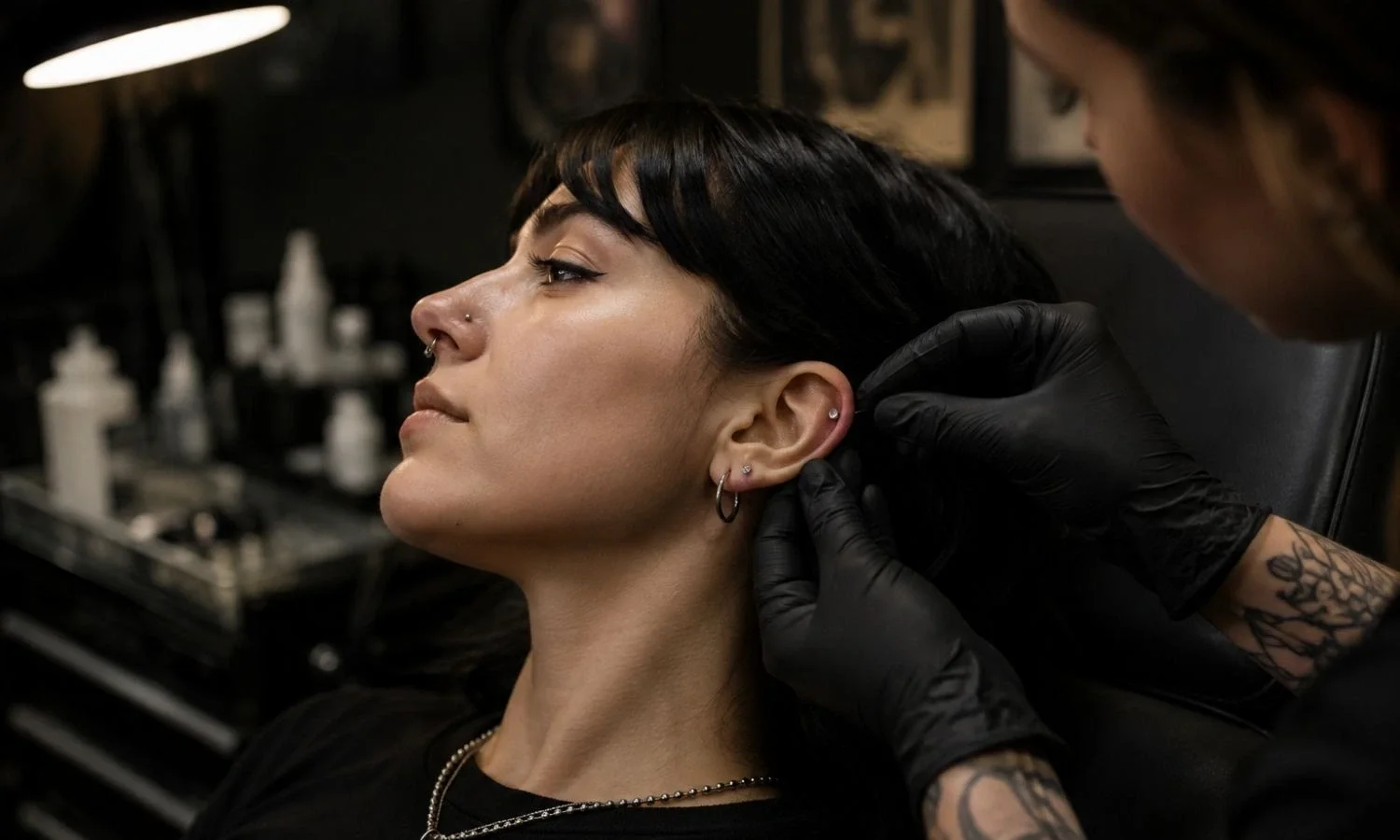
Cartilage (Helix, Conch, Tragus, etc.)
Common starter material: implant-grade titanium
Common starter style: flat-back stud or bar (fit for swelling)
Why: cartilage can be stubborn—stable jewelry and correct sizing matter a lot
Ear Lobes
Common starter material: implant-grade titanium
Common starter style: flat-back stud (threadless or internally threaded)
Why: comfortable for sleeping and less likely to snag than a butterfly back
If you’re considering an ear project (stacked lobes, curated ears, cartilage combos), check out our local guide: Ear Piercings San Antonio Guide.
Nostril
Common starter material: implant-grade titanium
Common starter style: flat-back labret style post (properly fitted)
Why: secure fit, less spinning/movement than many ring styles during healing
Septum
Common starter material: implant-grade titanium or appropriate steel
Common starter style: circular barbell or captive-style ring (piercer preference)
Why: correct diameter and finish help comfort and reduce irritation
Lip (Labret/Side Lip/Vertical Styles)
Common starter material: implant-grade titanium
Common starter style: post sized for swelling
Why: swelling room and smooth jewelry help protect tissue during the early phase
Navel
Common starter material: implant-grade titanium
Common starter style: curved barbell sized for anatomy
Why: placement and fit are everything—pressure or movement can slow healing fast
If you’re planning multiple piercings (or a curated ear), a pro can map out a plan so you’re not healing too many spots at once—and so the jewelry you choose looks intentional as it all settles. And if you’re budgeting and want realistic expectations, see: Piercings San Antonio Cost Guide.
Materials to Avoid for Fresh Piercings
If you want fewer complications, avoid anything that’s cheap, poorly labeled, or not specifically made for body piercing. In fresh piercings, these are the usual troublemakers:
Plated jewelry: coatings can wear, chip, and expose irritants underneath
“Mystery metal”: if nobody can tell you what it is, don’t put it in a healing piercing
Low-quality stainless steel: often the culprit behind irritation and reactions
Acrylic/plastic: not ideal as starter jewelry for most piercings
Silicone: generally not recommended for new piercings
Externally threaded jewelry: threads on the outside can scrape the piercing channel during insertion
Heavy/dangly pieces: movement and weight can inflame healing tissue
If you’ve ever thought, “But it’s labeled hypoallergenic,” you’re not alone. That term isn’t regulated in a way that protects you. The safest move is to choose jewelry through a professional piercer who can verify the material, the finish, and the correct size for your anatomy.
Fit, Threading, and Style: The Stuff That’s Just as Important as Metal
Material gets all the attention. Fit is what saves (or sabotages) your healing.
Two people can get the same piercing with the same metal and have totally different results—because one piece was sized and styled correctly, and the other one wasn’t. A professional should evaluate swelling room, placement angle, and how the jewelry will sit during normal daily movement.
Size (Length/Diameter) and Swelling Room
Starter jewelry is often slightly longer than your “forever” jewelry to allow for normal swelling. Once swelling drops, your piercer may recommend downsizing. Downsizing reduces movement and snagging—two big drivers of irritation bumps.
Skipping downsizing is a common mistake. The post that “worked fine” for swelling can become the same post that catches on hair, headphones, and towels weeks later.
Threadless vs. Internally Threaded
Threadless: smooth insertion and secure when fitted properly
Internally threaded: threads stay inside the post, reducing trauma during insertion
Externally threaded: avoid for new piercings when possible
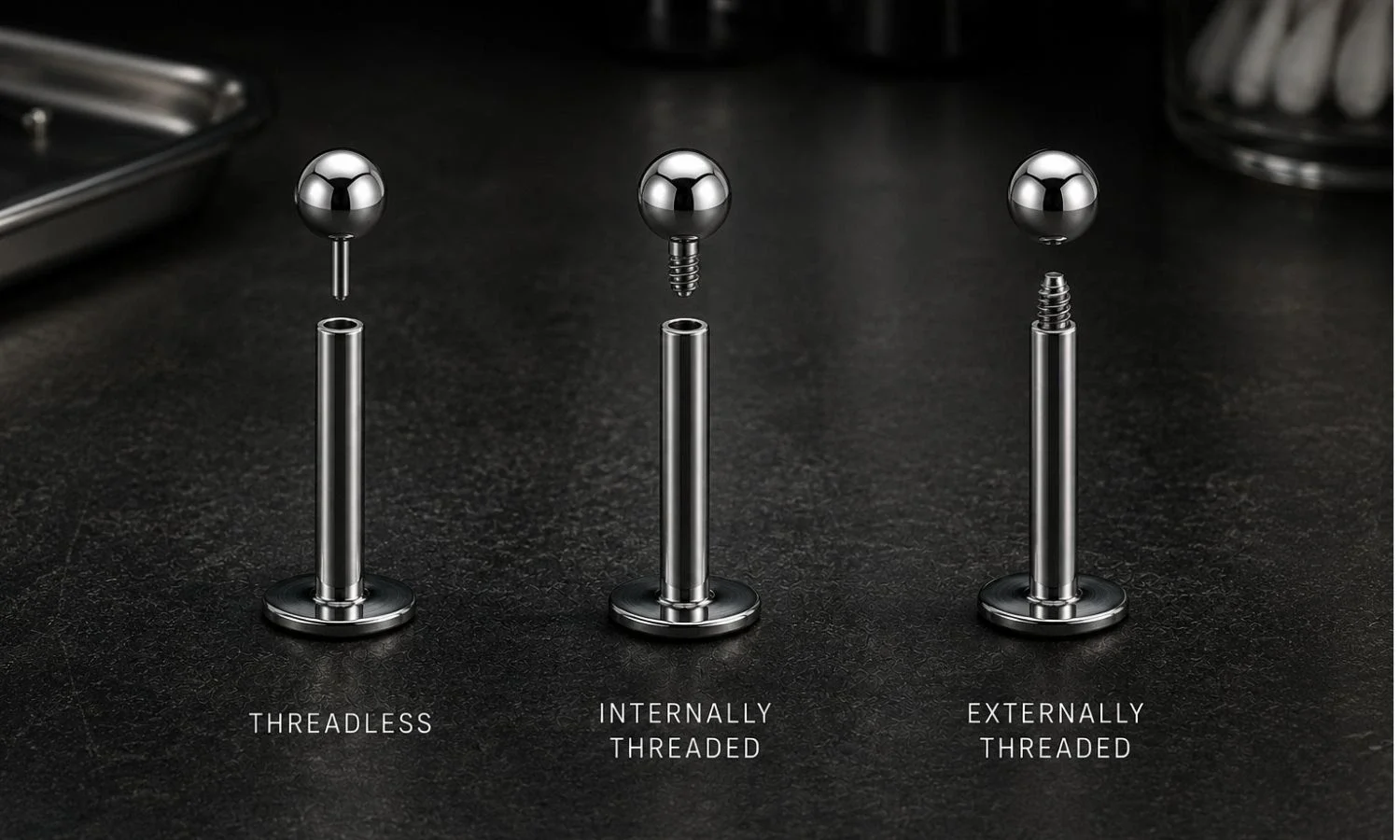
When you’re healing, smoother is better. Less scraping during insertion and fewer rough edges means less irritation for your tissue to fight through.
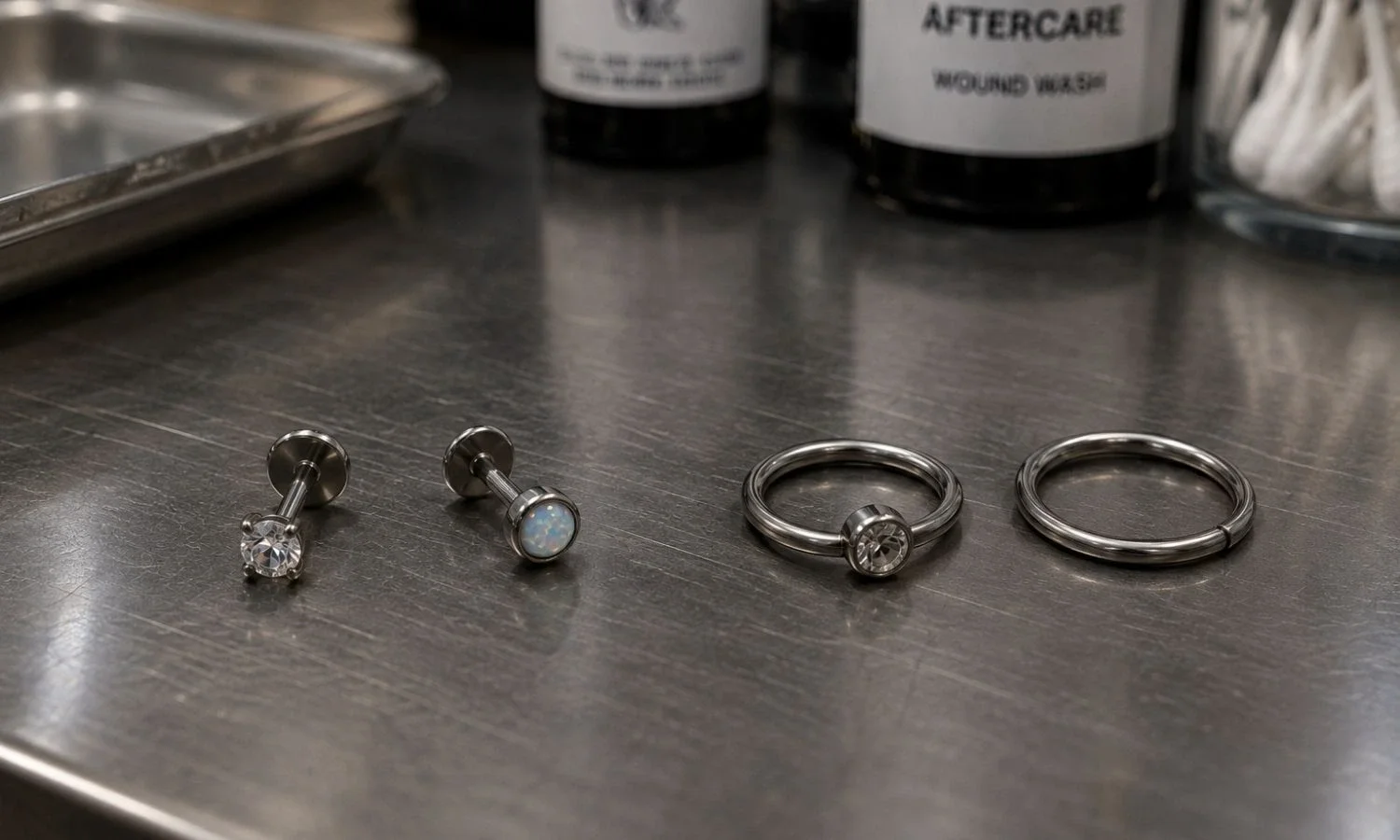
Stud vs. Ring (and Why Pros Often Start With Studs)
Rings can rotate and move more. That extra movement can irritate new tissue—especially in cartilage, nostrils, and many ear placements. In a lot of cases, a properly sized stud or flat-back style is the cleanest way to heal, then you can swap to a ring after you’re ready.
There are exceptions (and some placements can start with a ring when it’s appropriate), but your piercer should explain the tradeoffs clearly—comfort, swelling room, snag risk, and healing time.
Aftercare Basics That Protect Your Jewelry (and Your Healing)
Jewelry choice starts the healing process. Aftercare is what keeps it on track. The goal is simple: keep the area clean, reduce trauma, and let your body do its job without you “helping” too much.
Hands off. Don’t touch a new piercing unless you’ve washed your hands.
Don’t twist or rotate jewelry. Movement can inflame tissue and slow healing.
Skip harsh products. Alcohol, peroxide, and heavy ointments can irritate healing skin.
Protect it from snags. Towels, hair, masks, helmets, and headphones cause more problems than people expect.
Don’t change jewelry early. Even if it “looks fine,” the inside may still be healing.
Show up for downsizing if your piercer recommends it.
One more local reality check: if you’re out in the San Antonio heat (gym, outdoor work, summer festivals), you’ll want to be extra mindful about cleanliness and snagging. Sweat alone isn’t the enemy—constant friction and touching are.
Not medical advice—just real-world piercing care. If something feels off, a professional check is always better than trial-and-error at home (especially if you’re tempted to swap jewelry to “see if it helps”).
Troubleshooting: Signs Your Jewelry Isn’t Working
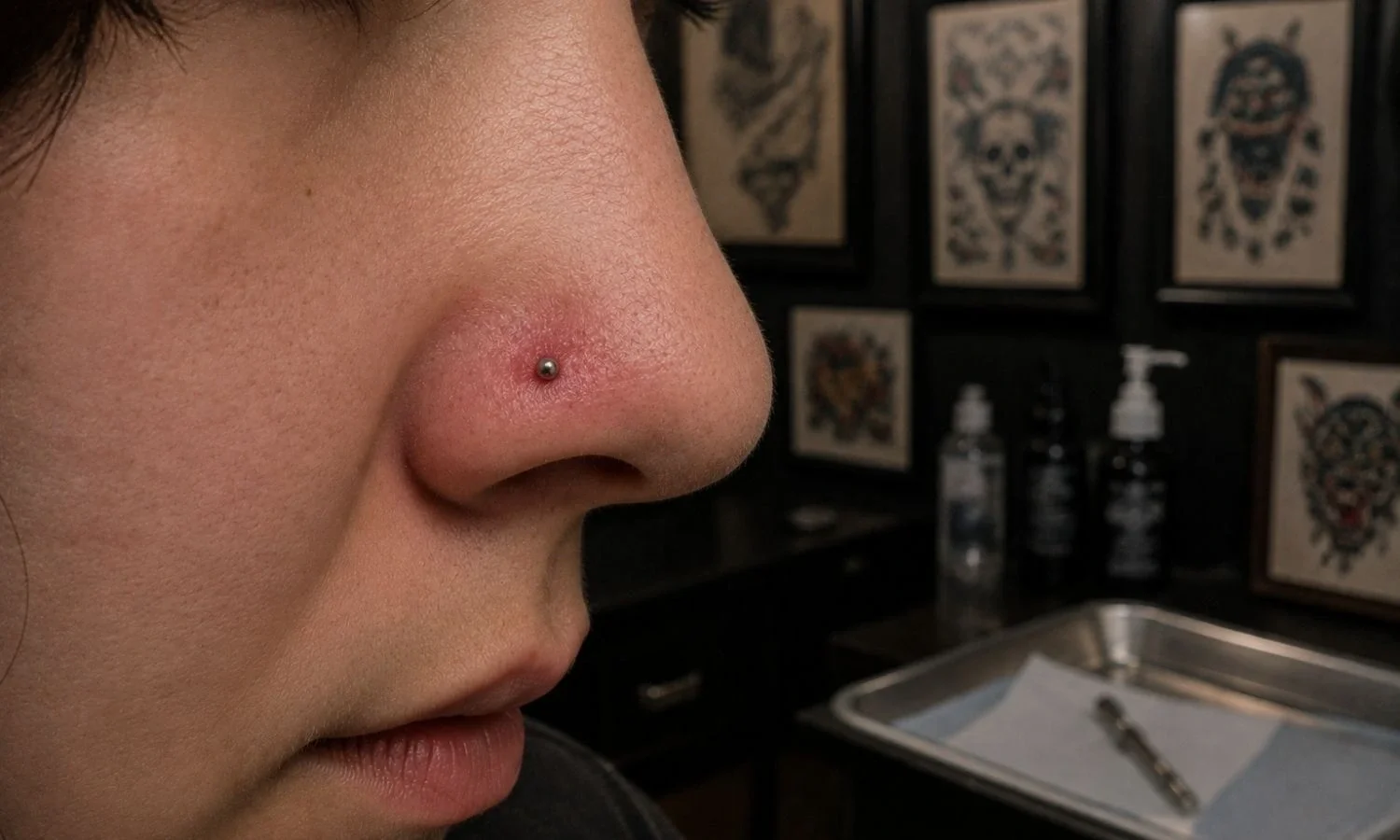
If a piercing gets angry, don’t panic—and don’t yank the jewelry out. Many issues come from fit, movement, pressure, or an unverified material. The fastest fix is usually a professional assessment, not a random product or DIY jewelry change.
Check in with a professional if you notice:
A post that’s so long it constantly catches and shifts
New redness/itchiness that started after a jewelry change
Ongoing irritation bumps that don’t improve with better care
Rough edges, visible wear, or unknown metal content
Jewelry sinking into the skin or feeling too tight
A reputable piercer can assess whether you need a different length, a different style, or a safer material—without setting your healing back. Sometimes it’s as simple as swapping to implant-grade titanium and getting the fit dialed in.
Why Getting Pierced by a Professional in San Antonio Matters
Online trends are fast. Healing is not.
When you choose a professional piercing studio in San Antonio, you get more than a needle and a stud. You get:
Proper placement based on your anatomy (not just a photo you saw online)
Verified jewelry with known materials and a clean finish
Correct sizing for swelling and long-term comfort
Clear aftercare and someone you can actually return to if you have questions
Southern Tattoo Society is locally owned and built on craft. Founder A.ONE brings 23+ years of experience, and the shop’s culture is simple: clean work, solid technique, and results you can be proud of. If you want a piercing that heals well and looks intentional, local expertise matters—especially when you’re deciding what goes into your body on day one.
Frequently Asked Questions: New Piercing Jewelry Questions We Hear All the Time
Can I bring my own jewelry to my piercing appointment?
Sometimes, but it depends on the piece. A professional studio may need to verify the material, size, and finish—and confirm it’s appropriate for a fresh piercing. If the jewelry can’t be verified, it usually shouldn’t be used for an initial piercing.
Is “hypoallergenic” jewelry safe for a new piercing?
Not automatically. “Hypoallergenic” isn’t a guarantee of implant-grade material or a safe finish. For fresh piercings, it’s better to choose jewelry with known, reputable materials (like implant-grade titanium) and professional sizing.
When can I switch to a hoop?
It depends on the piercing and how it’s healing. Many piercings do best starting with a stud/flat-back and switching later. Your piercer can give you a realistic timeline and tell you when your piercing is ready for a style change.
Why does my piercing feel fine and then get irritated again?
Healing isn’t always linear. A bump, sleeping on it, snagging it on a towel, changing jewelry too early, or using harsh products can all flare things up. If irritation keeps coming back, have a pro check the fit and material.
What should I do if I think I’m reacting to the metal?
Don’t self-diagnose and start swapping jewelry repeatedly. Get it checked by a professional piercer. Often, switching to a verified implant-grade material and correcting the size/fit makes a big difference.
More shop-specific questions? See our full FAQ page here: Southern Tattoo Society FAQs.
Book a Consultation at Southern Tattoo Society
If you’re planning a new piercing (or you’re ready to upgrade old jewelry), we’ll help you choose the right setup—material, size, and style—so your piercing heals clean and looks sharp. You can also preview options and learn more here: Southern Tattoo Society Piercings.
Southern Tattoo Society
7327 N Loop 1604 W #101A
San Antonio, TX 78249
Want a pro opinion on the best metal for piercings for your anatomy and placement? Book a consultation or reach out here: Contact Southern Tattoo Society.