How Much Do Piercings Cost in San Antonio? (Complete Price Guide)
San Antonio has no shortage of great ink. Spend a weekend around the Pearl, Southtown, or up near La Cantera and you’ll see everything from tiny botanical pieces to bold American traditional sleeves.
But if you’re deciding between fine line and bold styles, you probably have one practical question: which one actually lasts longer in real life—especially in the South Texas sun?
In this guide, we’ll break down how each style ages, what makes tattoos fade faster, and how to choose the right approach for your skin, placement, and lifestyle. You’ll also get straight answers on safety, the design process, and aftercare—so you can walk into your consultation confident.
Table of Contents
Quick Cost Snapshot (San Antonio)
What You’re Paying For (Service Fee vs. Jewelry)
San Antonio Piercing Prices (by Type)
What Affects the Final Price (the Real Drivers)
Jewelry Materials: What’s Worth It (Especially in South Texas Heat)
How to Choose a Safe Piercing Studio in San Antonio (Green Flags)
What to Expect at a Professional Studio (Step-by-Step)
Aftercare That Saves You Money (and Stress)
Texas Rules for Minors (What to Bring)
Frequently Asked Questions
Ready to Get Pierced? Book a Consultation
Quick Cost Snapshot (San Antonio)
Most reputable studios in San Antonio price piercings as service fee + jewelry. That's why you can't compare studios by one number alone—your jewelry fit, metal choice, and even anatomy can change the total.
A realistic local reference point: at Southern Tattoo Society, most standard piercing service fees are $75, with a few common exceptions:
Single lobe: $75 (4+)
Both lobes: $85 (4+)
Double lip: $85 (18+)
Nipples: $90 (18+)
Genitals: $95 (18+)
Important: service fee and jewelry are typically separate. Jewelry depends on material (implant-grade titanium vs. gold), style (simple vs. gem/cluster), and sizing (the right post length for swelling). For a full overview of what we offer, see our piercings page.
Budgeting tip: if you're planning multiple piercings, don't only budget for today's appointment. Budget for (1) the initial piercing, (2) a downsize if needed, and (3) the aftercare supplies. That's the difference between “I got pierced” and “It healed perfectly.”
What You’re Paying For (Service Fee vs. Jewelry)
Professional studios split pricing because the piercing isn't one thing—it's a full process. Your total price usually includes two parts:
The service fee: the piercer's experience, consultation, sterile setup, single-use needles, proper placement, and the time it takes to do everything clean and controlled.
The jewelry: correctly sized to your anatomy (including room for swelling), plus a material that's safe for your body while it heals.
What the service fee usually covers (and why it matters):
Single-use needles (opened in front of you).
Barrier protection and sanitation (gloves, disinfected surfaces, protected trays).
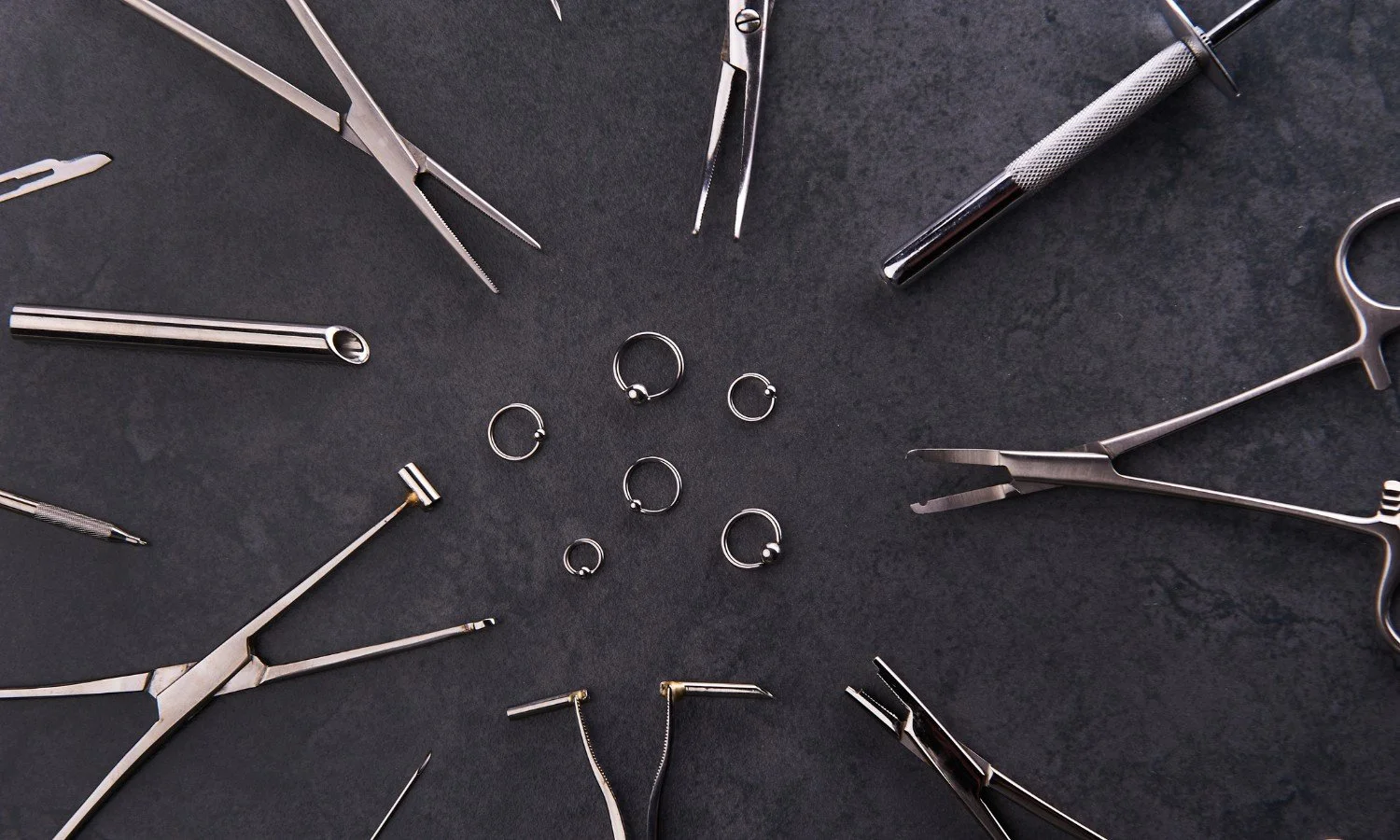
Instrument sterilization using an autoclave and proper processing protocols (because clean is not the same as sterile).
Correct marking and placement so your piercing sits right long-term (symmetry, angle, and depth matter more than people realize).
Aftercare instructions that make sense for your lifestyle—workouts, helmets, earbuds, masks, sleep habits, and the San Antonio summer.
And then there's jewelry. Two people can get the same piercing and pay different totals because the jewelry might be different (simple titanium vs. a gem piece), the post length might be different, or one person needs a specific size to avoid pressure and irritation.
San Antonio Piercing Prices (by Type)
If you're trying to get a clear picture of pricing (and age minimums) before you book, here's a straightforward reference based on Southern Tattoo Society's published service fees. Jewelry is additional and varies by material, style, and sizing. You can also confirm details or ask about a specific piercing via our contact page.
Ear piercings
Lobe: $75 (4+)
Both lobes: $85 (4+)
Cartilage/Helix: $75 (15+)
Forward helix: $75 (16+)
Rook: $75 (15+)
Tragus: $75 (16+)
Anti-tragus: $75 (18+)
Conch: $75 (16+)
Daith: $75 (15+)
Snug: $75 (16+)
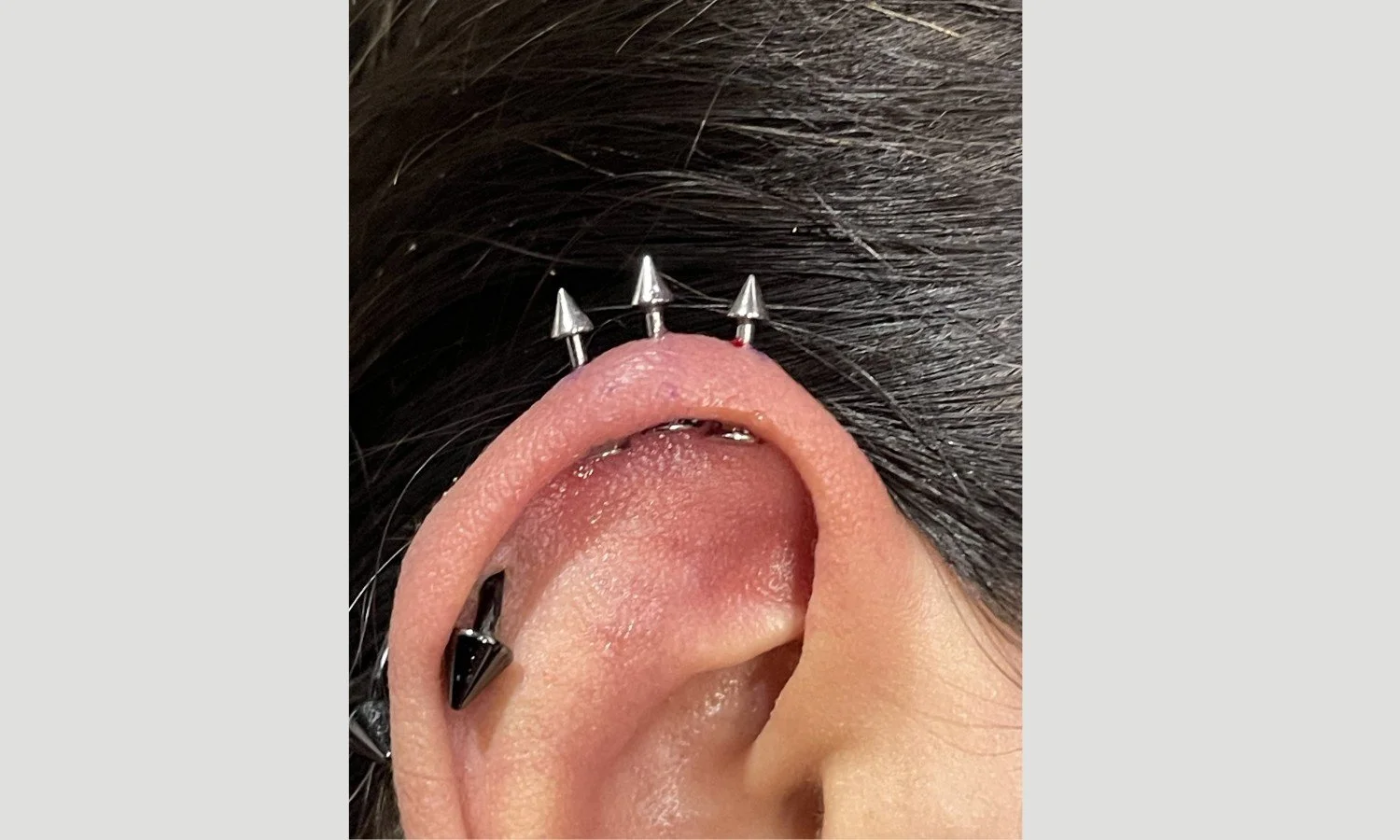
What this means for budgeting: ear cartilage tends to have a longer, more sensitive healing process than lobes, so your jewelry choice and follow-up plan matter. Many cartilage piercings benefit from a downsize once swelling drops to reduce movement and irritation.
Nose piercings
Nostril: $75 (15+)
Septum: $75 (16+)
Heads-up on jewelry: not every jewelry style is ideal for the first stage of healing. A good studio will prioritize what heals best, then help you upgrade later once the piercing is stable.
Other facial piercings
Eyebrow: $75 (16+)
Smilie: $75 (16+)
Bridge: $75 (18+)
Facial piercings look simple on paper, but placement, anatomy, and healing behavior matter a lot. This is where experience shows—your piercer should be able to explain what normal swelling looks like and what to avoid (like snagging, makeup, and pressure).
Body piercings
Navel: $75 (15+)
Dermal: (18+) — pricing varies by placement and jewelry top
Navel and dermal work is very anatomy-dependent. A professional consultation is where you find out whether your anatomy supports the piercing and what you can do to protect it during healing (clothing friction, workouts, work gear, etc.).
Oral piercings
Tongue: $75 (18+)
Lip: $75 (18+)
Double lip: $85 (18+)
Oral piercings require extra responsibility: swelling management, careful cleaning, and a smart downsize plan. If you're considering an oral piercing, ask your piercer what the first week will feel like and how to reduce irritation without overdoing it.
Adult-only piercings
Nipples: $90 (18+)
Genitals: $95 (18+)
For adult-only piercings, privacy, professionalism, and sterile procedure are non-negotiable. The right shop will walk you through consent, aftercare, realistic healing timelines, and what activity restrictions may apply.
What Affects the Final Price (the Real Drivers)
If you want to understand your quote quickly, focus on what actually drives the price:
Placement difficulty: some piercings are technically harder or more anatomy-dependent.
Jewelry material: implant-grade titanium and solid gold cost more than mystery metals—and they're built for healing.
Jewelry style and brand: a basic end is different than a cluster, opal, or custom look.
Correct sizing: post length and diameter matter for swelling and comfort. One size fits all is how you get pressure and irritation.
Follow-up care: downsizing, check-ins, and troubleshooting support are part of doing this professionally.
Studio standards: sterilization systems, single-use supplies, and clean protocols aren't free—and they're the point.
The best way to compare studios: ask what's included, what jewelry they use for starters, and what follow-up looks like. A shop that can explain their process clearly is usually a shop that's actually running a process.
Jewelry Materials: What’s Worth It (Especially in South Texas Heat)
San Antonio heat and humidity can hit a fresh piercing hard. Sweat, workouts, outdoor events, and constant temperature changes can irritate healing tissue—especially if the jewelry isn't biocompatible.
When your body heals a piercing, it forms a stable tunnel of tissue (often called a fistula). That tunnel forms best when the jewelry is smooth, properly polished, and made from a material your body doesn't fight.
Materials you'll hear about (and what they really mean):
Implant-grade titanium (ASTM F-136): one of the most reliable starter materials. Lightweight, strong, and typically nickel-free.
Solid gold (14k or 18k): great for healed piercings and often fine for starters when it's high-quality and properly made (not plated).
Niobium: another good option for sensitivity (less common in some studios, but solid when available).
Surgical steel: a vague label that can vary; it may contain nickel and can be rough for sensitive skin.
Plated jewelry: not recommended for healing piercings. Plating can wear down and cause irritation.
If you've ever reacted to cheap jewelry: don't gamble on your healing piercing. Start with a material that's built for the job and upgrade later if you want a different look.
How to Choose a Safe Piercing Studio in San Antonio (Green Flags)
Price matters—but safety and professionalism are the foundation. A studio can be friendly and still cut corners. What you want is a place that runs clean, consistent systems every single appointment.
Green flags that tell you a studio takes piercing seriously:
You're not rushed: a good piercer asks questions, checks anatomy, and makes sure you understand healing expectations.
Clean, organized procedure space: non-porous surfaces, a controlled setup, and a workspace that looks intentionally sterile, not just tidy.
Single-use needles opened in front of you: no exceptions.
Proper sterilization workflow: sterilized instruments are packaged, labeled, and handled correctly.
Quality jewelry and correct sizing: implant-grade options and a fitting process, not a drawer of random pieces.
Clear aftercare instructions: specific, realistic, and tailored to the piercing you got.
Red flags (walk away): anyone suggesting a piercing gun for cartilage, anyone pushing plated jewelry for a fresh piercing, anyone who can't explain their sterilization process, or anyone who acts annoyed when you ask questions. This is your body. You don't have to be easy to be respected.
What to Expect at a Professional Studio (Step-by-Step)
If you've only seen the mall version of piercing, the professional process feels different—because it is different. A good appointment is calm, controlled, and focused on doing it right the first time.
Consultation: you talk through placement, jewelry choices, healing time, and any lifestyle factors (sports, earbuds, sleeping habits, work requirements).
Anatomy check: your piercer confirms the piercing is appropriate for your anatomy and explains any limitations.
Marking and approval: you look at placement before anything happens. Adjustments are normal—this is a collaboration, not a surprise.
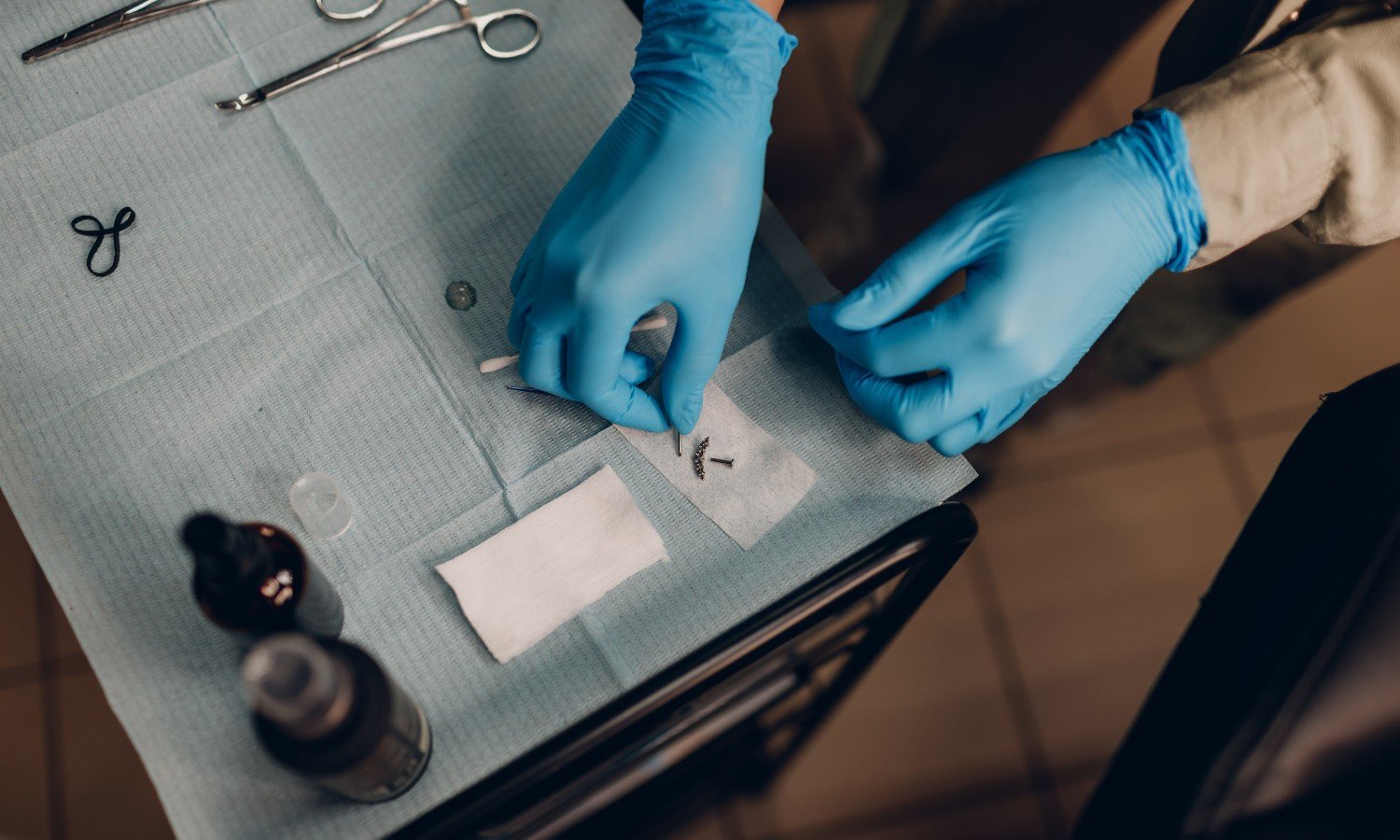
Sterile setup: gloved hands, disinfected surfaces, sterile instruments, and a single-use needle opened in front of you.
The piercing: quick, controlled, and done with a hollow needle (not blunt-force trauma from a gun).
Jewelry install: correctly fitted for swelling and comfort.
Aftercare + follow-up plan: you leave knowing how to clean it, what normal healing looks like, and when to come back for downsizing or check-ins.
What you should feel: informed, respected, and not pressured. Even if you're nervous, you should never feel like you're being pushed through a line.
Aftercare That Saves You Money (and Stress)
Most piercing problems aren't caused by bad luck. They're caused by bad aftercare and constant touching. Healing is a simple formula: keep it clean, keep it dry-ish, don't crush it, and don't mess with it.
Basic aftercare checklist:
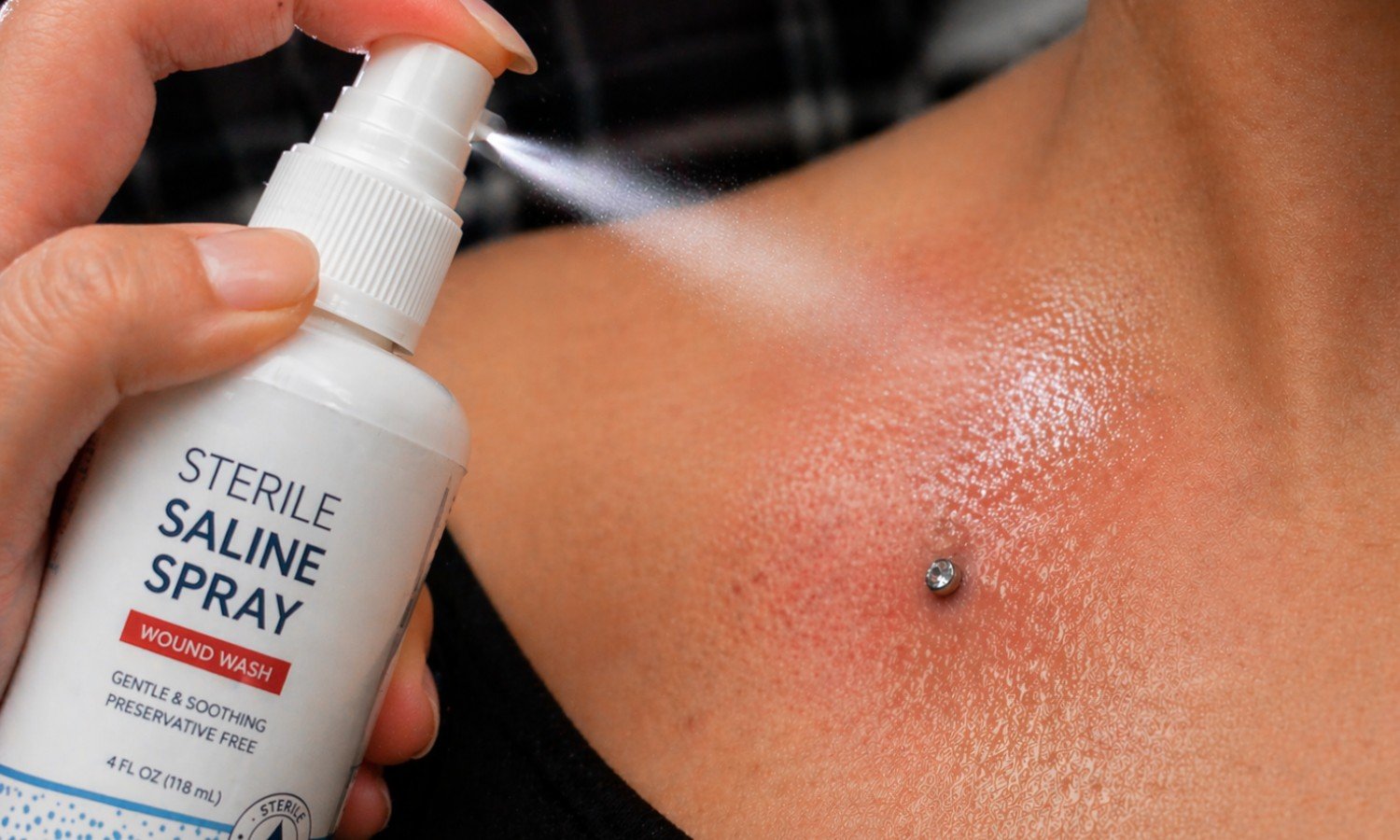
Clean with sterile saline (or exactly what your piercer recommends).
Let warm water run over it in the shower; pat dry with clean, disposable material.
Do not twist or rotate jewelry (that's outdated advice that can irritate tissue).
Avoid heavy fragrance products, makeup, and hair products on/around a fresh piercing.
Avoid pools and hot tubs while healing. If you swim anyway, you're choosing a harder heal.
San Antonio-specific healing tips:
Heat + sweat: sweat isn't the enemy, but staying damp all day can irritate. Shower after heavy workouts and keep the area clean and dry.
Cartilage pressure: avoid sleeping on it. Consider a travel pillow to keep pressure off the ear.
Earbuds/headphones: plan a break, especially for tragus/conch piercings. Constant pressure can extend healing.
Masks: for ear piercings, watch straps that snag and create friction.
Downsizing matters: many piercings start with longer jewelry to accommodate swelling. Once swelling drops, a shorter post can reduce movement, snagging, and irritation bumps. Skipping downsizing is a common reason piercings stay angry longer than they need to.
If you think it's infected: don't self-diagnose through panic posts. Talk to your piercer first, and if you have severe swelling, heat, fever, or spreading redness, seek medical care. The goal is to act early, not hope it goes away.
Texas Rules for Minors (What to Bring)
If a minor is getting pierced, don't wing it. Texas studios must follow specific regulations, and reputable shops will require documentation. Requirements can vary by studio and by piercing type, so the smartest move is to call ahead and ask exactly what to bring.
Common requirements include:
A parent/guardian with a valid photo ID
Proof of the minor's identity
Documents that show guardianship/relationship (when required)
Also, studios often set minimum ages for certain piercings (for example, lobes may be allowed much younger than cartilage or facial piercings, and some placements are 18+ only). If a shop is willing to ignore age requirements, treat that as a serious red flag for safety standards in general.
Frequently Asked Questions
Why are professional piercings more expensive than the mall?
Because professional piercing isn't retail—it's a sterile procedure, proper placement, safer tools (hollow needles instead of a gun), and jewelry designed for healing. When something goes wrong, fixing it costs more than doing it right the first time.
How much should I tip my piercer?
Tipping is personal, but many clients tip like they would for other personal services: often 15–20% of the service fee (not necessarily the jewelry). If your piercer takes extra time to consult, fit jewelry correctly, and walk you through aftercare, tip accordingly.
How long do piercings take to heal?
It depends on placement and your lifestyle. Lobes often heal faster than cartilage. Cartilage piercings commonly take months and can be easy to irritate. Your piercer should give you a realistic timeline and milestones (like when to downsize, when rings are safe, and what normal looks like).
When can I change my jewelry?
Not when it feels fine. Change jewelry when it's actually ready and you've hit the right healing stage for that piercing. If you want a ring, a decorative end, or a specific look, talk to your piercer about a safe upgrade timeline.
What if I get an irritation bump?
Most bumps are caused by pressure, movement, or improper jewelry fit—not because you didn't clean enough. Don't crush it with harsh chemicals. Get the piercing assessed, make sure jewelry is sized correctly, and simplify aftercare.
Want more answers beyond the basics here? Check out our full FAQ page.
Ready to Get Pierced? Book a Consultation
If you want your piercing done clean, properly sized, and built to heal, start with a real consultation—and work with artists who take the craft seriously.
Southern Tattoo Society is a locally owned tattoo and piercing studio in San Antonio. We're known for clean, sterile practices, professional artists, and high-quality work. Founder A.ONE brings 23+ years of experience—so whether it's your first piercing or you're building a full curated look, you'll be guided the right way.
Book your consultation at book.southerntattoosociety.com. If you're still comparing piercings san antonio, come talk to a team that's serious about clean work, correct jewelry, and a result you'll be proud to wear. You can also reach us directly through our contact page.