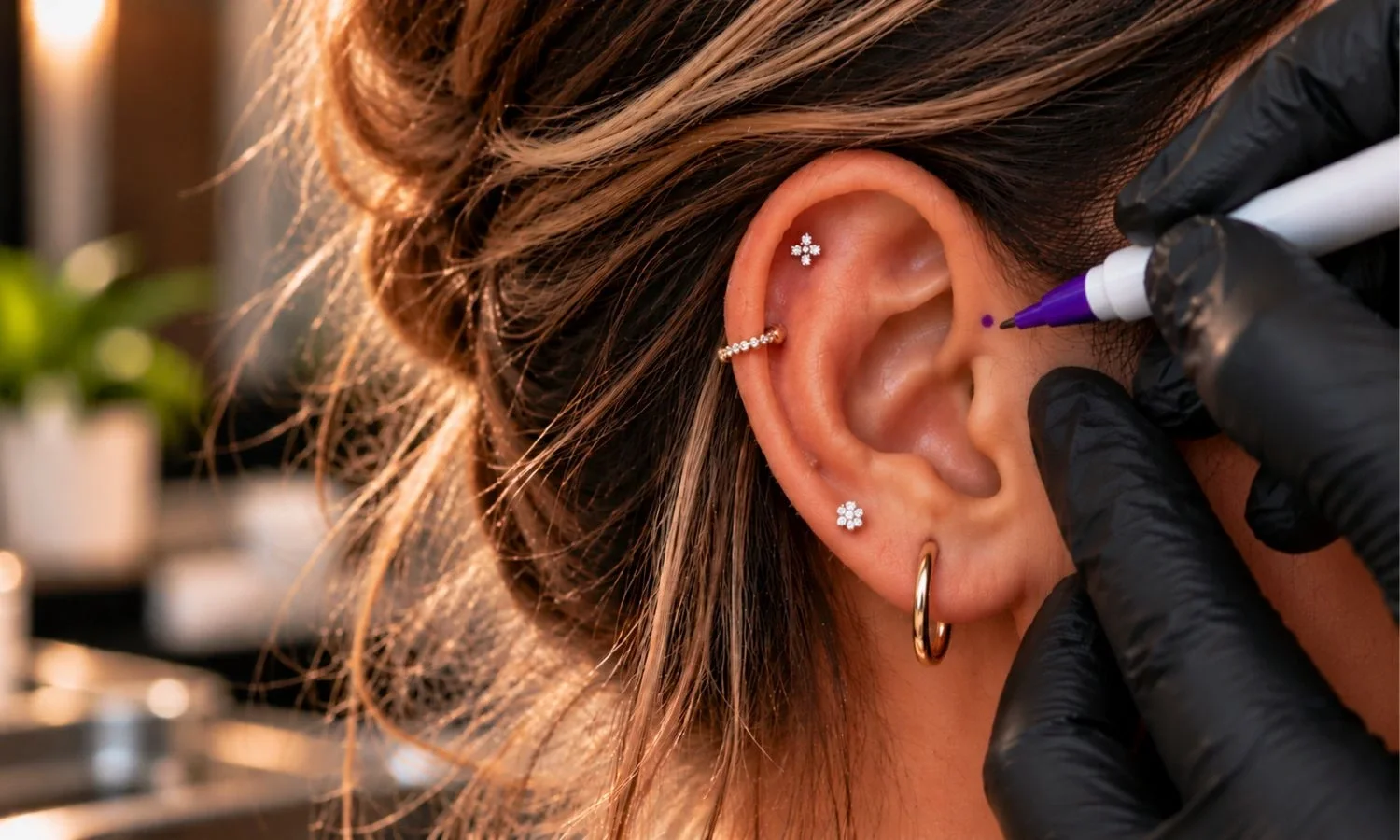
A new piercing should heal clean, look great, and stay that way. But the first few weeks are where most people accidentally create problems: too much touching, the wrong products, low-quality jewelry, or skipping a check-in when something feels off.
If you're looking for piercings San Antonio clients can feel confident about, this guide was written from the perspective of a professional studio that sees real-world healing every day. Southern Tattoo Society is a locally owned tattoo and piercing studio at 7327 N Loop 1604 W #101A, San Antonio, TX 78249. We're known for clean, sterile practices and straight-up guidance-whether it's your first piercing or you're adding to a full lineup.
Want to explore placement options before you book? Check out our piercings page. And if you're budgeting, here’s our piercings San Antonio cost guide.
Quick Answer:
Hands off. Don’t twist, spin, or “check” the jewelry all day.
Clean simply. Use sterile saline 1–3x/day (or your piercer’s instructions).
Keep it dry + protected. Friction and moisture slow healing.
Avoid pools/hot tubs/lakes early. They’re a common source of bacteria.
Know the red flags. Worsening swelling, heat, thick discharge, fever = get medical advice.
Get a jewelry check. A quick sizing adjustment can prevent weeks of irritation.
Table of Contents
Before You Get Pierced: Set Yourself Up for Clean Healing
The First 24 Hours: What to Do (and What to Avoid)
Daily Aftercare: A Simple Routine That Works
Normal Healing vs. Infection: How to Tell the Difference
Irritation Bumps Aren't Always Infection
Healing Timelines (by Piercing Type)
San Antonio Real-Life Factors That Can Mess With Healing
Jewelry Quality + Fit: The Most Overlooked Aftercare
When to Contact Your Piercer vs. a Healthcare Professional
Quick Answers to Common Aftercare Questions
Final Takeaway + Book a Consultation
Before You Get Pierced: Set Yourself Up for Clean Healing
Healing starts before the needle ever comes out. Your best aftercare move is choosing a studio that treats safety like the baseline-not a bonus.
When you're comparing studios, don't just look at photos of jewelry or vibes on social. Look for systems: how they clean, how they communicate, and how they set you up to succeed after you leave.
What to Look for in a Professional Piercing Studio
Clean, organized workspace that looks intentionally maintained (not good enough).
Professional sterilization and setup (your piercer should open supplies in front of you and keep the workflow clean).
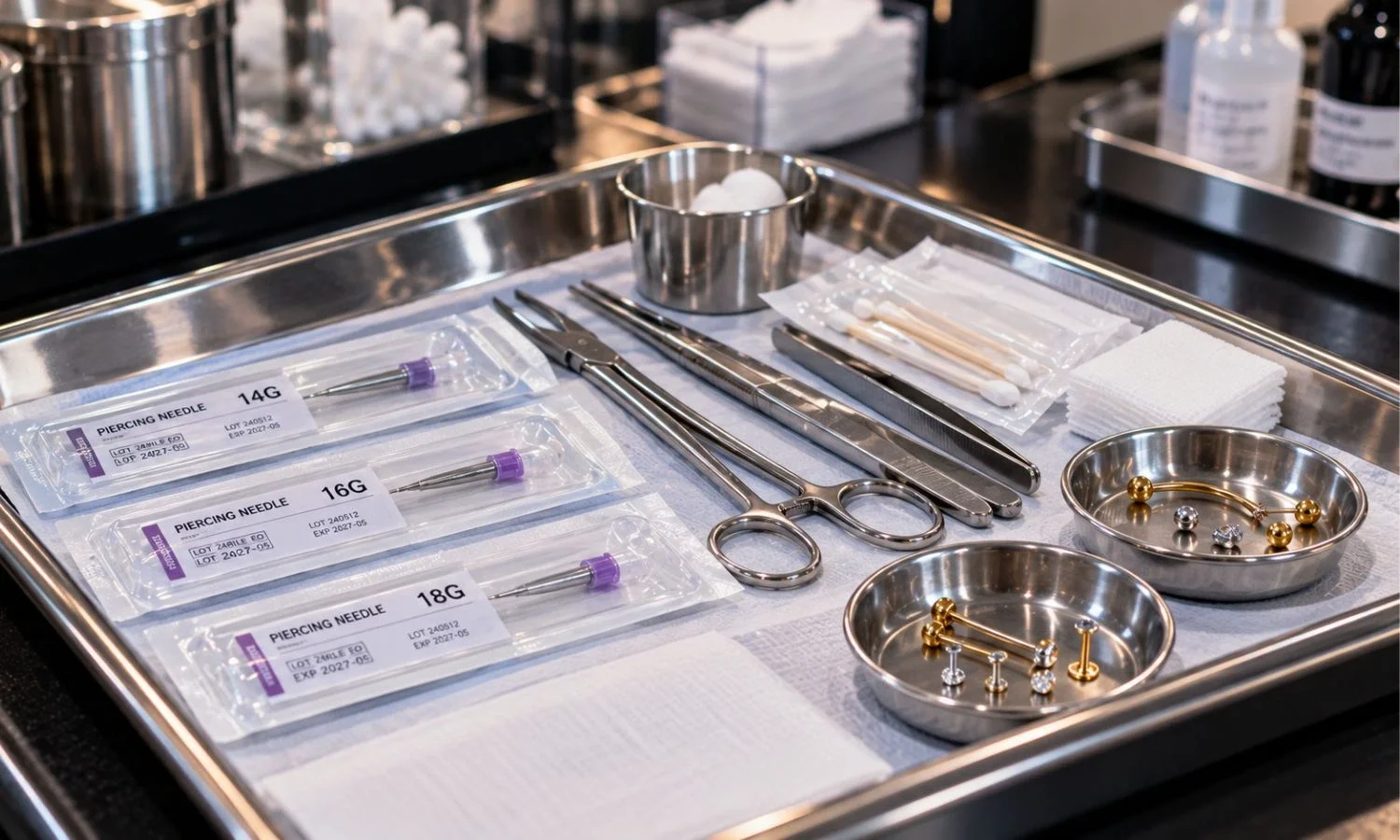
High-quality jewelry chosen for healing and sized for initial swelling.
Clear aftercare instructions (specific, not vague) that match your piercing type.
No rushing, no pressure-you should be able to ask anything and get a real answer.
Questions Worth Asking Before You Commit
What material is the initial jewelry, and why is it recommended for healing?
What's the realistic healing timeline for my anatomy and placement?
Do you recommend a check-up appointment or downsizing later?
What are the most common mistakes you see with this specific piercing?
If I run into irritation, what should I do first?
At Southern Tattoo Society, our approach is simple: clean setup, correct placement, quality jewelry, and a clear plan for healing. Founder A.ONE brings 23+ years of experience to a studio culture built on professionalism and craft-tattoos and piercings included.
One Warning Sign: Easy Piercing That Skips the Details
If a studio can't explain jewelry options, doesn't talk about downsizing, or gives you a one-size-fits-all aftercare speech, that's a red flag. Piercings look simple-but placement, angle, and fit are the difference between healed and solid and angry for months.
The First 24 Hours: What to Do (and What to Avoid)
The first day is about one thing: keep the piercing calm. Most people mess up healing by over-caring for it-touching it too much, cleaning too aggressively, or trying to force it to feel normal right away.
What's Normal on the First Day?
Depending on placement, it's common to have mild swelling, heat, tenderness, and a little redness right around the entry/exit points. Some people also see a small amount of bleeding early on. The goal isn't to have zero symptoms. The goal is symptoms that don't escalate and gradually improve.
Do this on day one:
Wash your hands before touching anywhere near it. (The CDC recommends soap and water, or sanitizer with at least 60% alcohol when soap isn't available)
Leave the jewelry alone. No twisting. No spinning. No pulling. Movement can tear healing tissue inside the channel.
Stick to approved aftercare only. Sterile saline is commonly recommended. More products is not better.
Keep pressure off the area. Watch for headphones, helmets, hats, mask straps, waistbands, bras, and sleeping positions.
Keep it clean in the real world. If you work around dust, sweat, or people, be extra strict about not touching the piercing with unwashed hands.
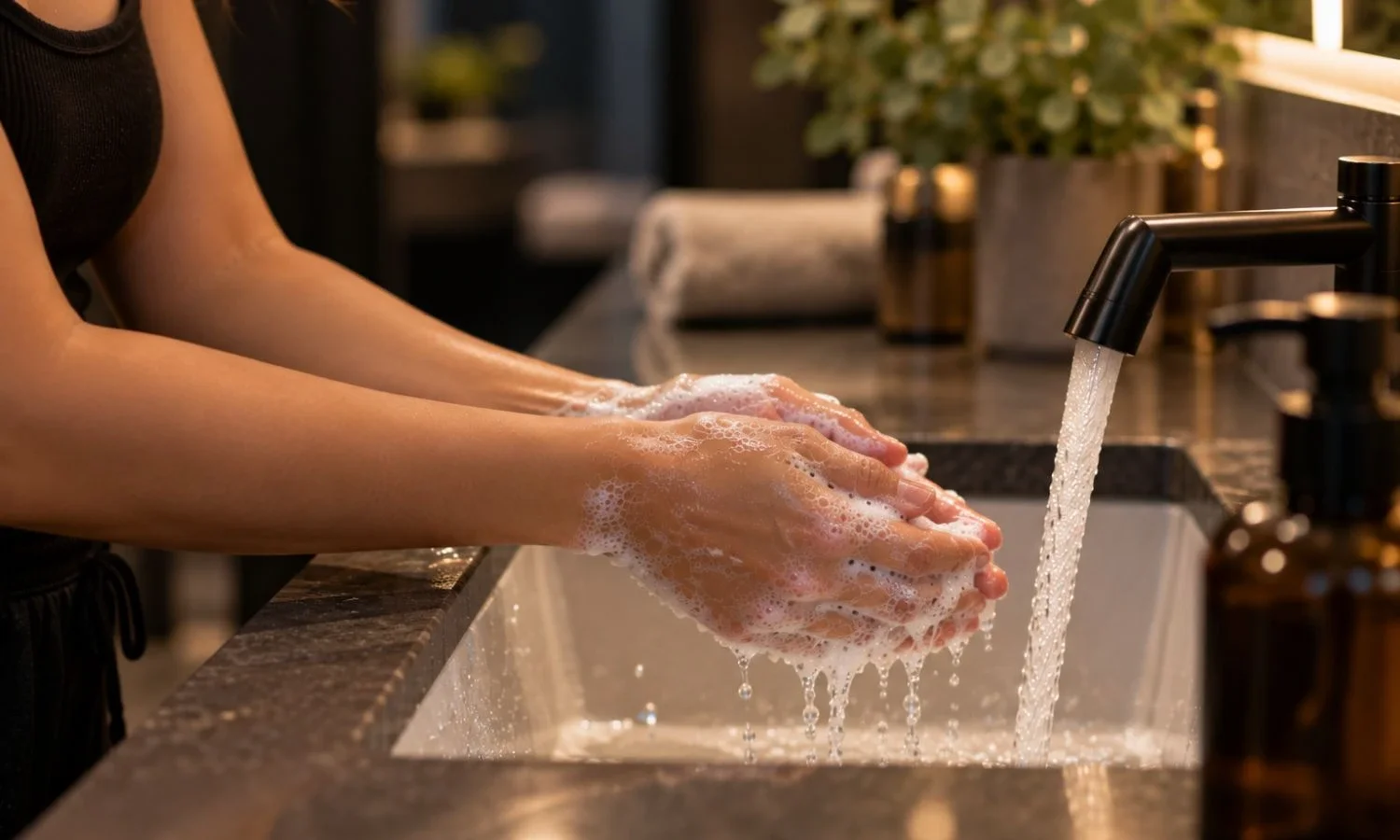
Avoid this on day one:
Heavy sweating directly on the site without a plan to rinse/clean after.
Makeup, lotions, oils, hair products touching the piercing (especially facial and ear piercings).
Sleeping on it (cartilage and facial piercings hate pressure).
Swimming (pool, lake, river, hot tub). Even clean water can cause problems for a fresh piercing.
Alcohol/peroxide/ointment experiments because it feels like it needs something.
Unnecessary bandages that trap moisture and create irritation.
Pro Tip: Plan Your Sleep and Your Shower
Two places people get caught slipping on day one are sleep and showers. Use a clean pillowcase. Take a normal shower, but don't blast the piercing with high pressure. After your shower, pat dry gently and leave it alone.
Daily Aftercare: A Simple Routine That Works
Aftercare should be repeatable. If your routine feels complicated, you'll either overdo it or quit. The best routine is the one you can follow consistently for weeks.
The Simple Routine (Most People Need)
Unless your piercer gives different instructions for your specific piercing, here's a practical baseline:
Hands first: wash before cleaning.
Saline rinse: let sterile saline reach the area without forcing jewelry movement.
Soften first, then remove buildup: if crust is present, let saline soften it-don't pick at dry crust.
Pat dry: moisture sitting around jewelry can irritate skin.
Stop there: once it's clean and dry, leave it alone.
The Association of Professional Piercers suggests rinsing body piercings with sterile wound wash saline one to three times daily and notes that overly strong saline can irritate.
What Over-Cleaning Looks Like (and Why It Backfires)
Over-cleaning usually shows up as extra redness, dryness, cracking, swelling that keeps restarting, or an irritated bump that doesn't calm down. That's your skin telling you it's being stressed-often by too much friction (cotton swabs, aggressive wiping), too much product, or cleaning too frequently.
What Not to Use (Unless a Healthcare Professional Tells You to)
Hydrogen peroxide
Rubbing alcohol
Harsh antibacterial soaps
Tea tree oil or random natural remedies
Heavy ointments that trap moisture
The American Academy of Dermatology advises against cleaning new piercings with hydrogen peroxide or antibacterial soaps because they can damage healing skin.
How to Keep Your Routine Realistic (Work, Gym, Life)
Keep saline where you'll use it: bathroom at home, and an extra bottle if you're frequently out.
Don't clean in public bathrooms with dirty hands: if you can't wash properly, wait until you can.
After heavy sweating: rinse in the shower and do your normal saline routine-don't scrub it raw.
Hair + skincare control: keep products off the piercing area and wash residue away in the shower.
Normal Healing vs. Infection: How to Tell the Difference
Here's the key: normal healing trends better over time. Infection often trends worse-more heat, more swelling, more pain, more discharge, and spreading redness.
Common Normal Healing Signs (Especially Early On)
Mild swelling that peaks early and gradually improves
Light redness close to the piercing holes (not spreading across the area)
Tenderness when bumped
Clear/pale fluid that dries into light crust (this can be lymph fluid during healing)
Some bruising depending on placement and your skin
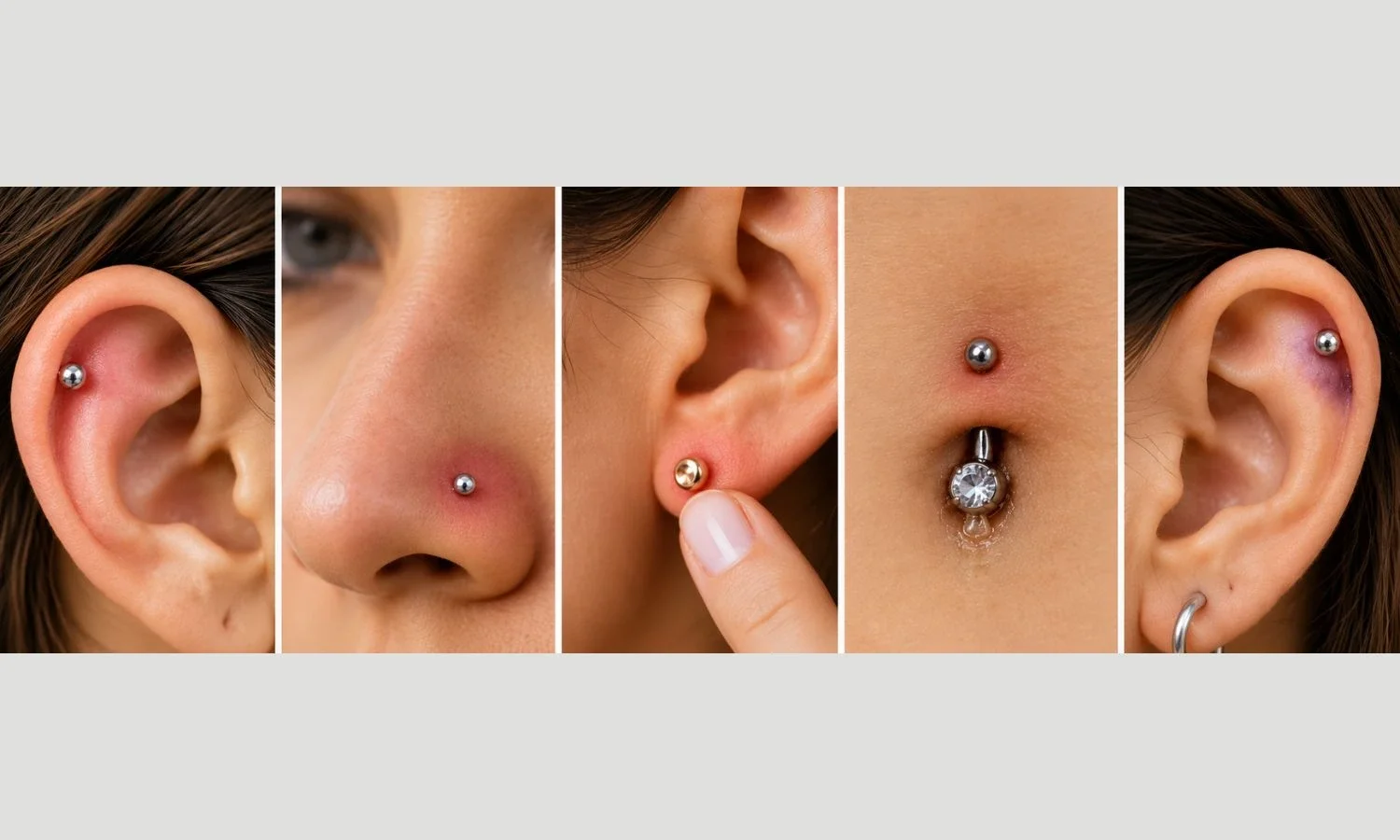
Possible Infection Signs
Swelling that increases or doesn't improve
Spreading redness or worsening color change
Thick yellow/green discharge or foul smell
Heat + throbbing pain
Fever or feeling unwell
Mayo Clinic advises seeing a healthcare professional if swelling and skin color change don't improve, or if the site oozes blood or pus. Cleveland Clinic also advises contacting a provider for signs of infected cartilage piercings.
Don't Wait Until It's Really Bad
If something is clearly trending worse day after day, that's your cue to stop guessing and get help. Early action beats panic later.
Irritation Bumps Aren't Always Infection
Some piercings look angry because they're irritated-not infected. That matters because the fix is different. A lot of the time, the cure isn't stronger cleaning. The cure is removing what's irritating it.
If bumps are the main thing you're dealing with, read this next: Piercing Bumps: Causes, Prevention & Treatment.
Common Irritation Triggers
Sleeping on it (especially cartilage)
Mask straps, helmets, hats, earbuds, or glasses rubbing it
Over-cleaning or harsh products
Snagging on towels/hair/clothing
Changing jewelry too soon
Jewelry that's too tight, too long, or low quality
What to Do If You Suspect Irritation
Go back to basics: saline + hands off.
Identify friction: sleeping position, headphones, mask loops, hats, hair catching.
Check jewelry fit: if it's pinching, sinking, or constantly getting hit, a piercer should look at it.
Be patient: irritated tissue doesn't calm down overnight, but it should trend better once the trigger is removed.
If you're unsure whether it's irritation or infection, don't play doctor. Get a professional opinion-piercer for fit/irritation, healthcare provider for infection signs.
Healing Timelines (by Piercing Type)
Healing isn't one-size-fits-all. Your timeline depends on placement, jewelry, lifestyle, and how much friction the area takes day-to-day. The outside can look calm before the inside is fully healed, so time and stability matter more than it doesn't hurt anymore.
General trends clients often experience:
Earlobes: usually more forgiving, but still need consistent care and clean hands.
Cartilage: often slower and more sensitive-pressure from sleeping and headphones can keep it irritated.
Nostril/facial: skincare, makeup, mask straps, and accidental bumps are the main enemies.
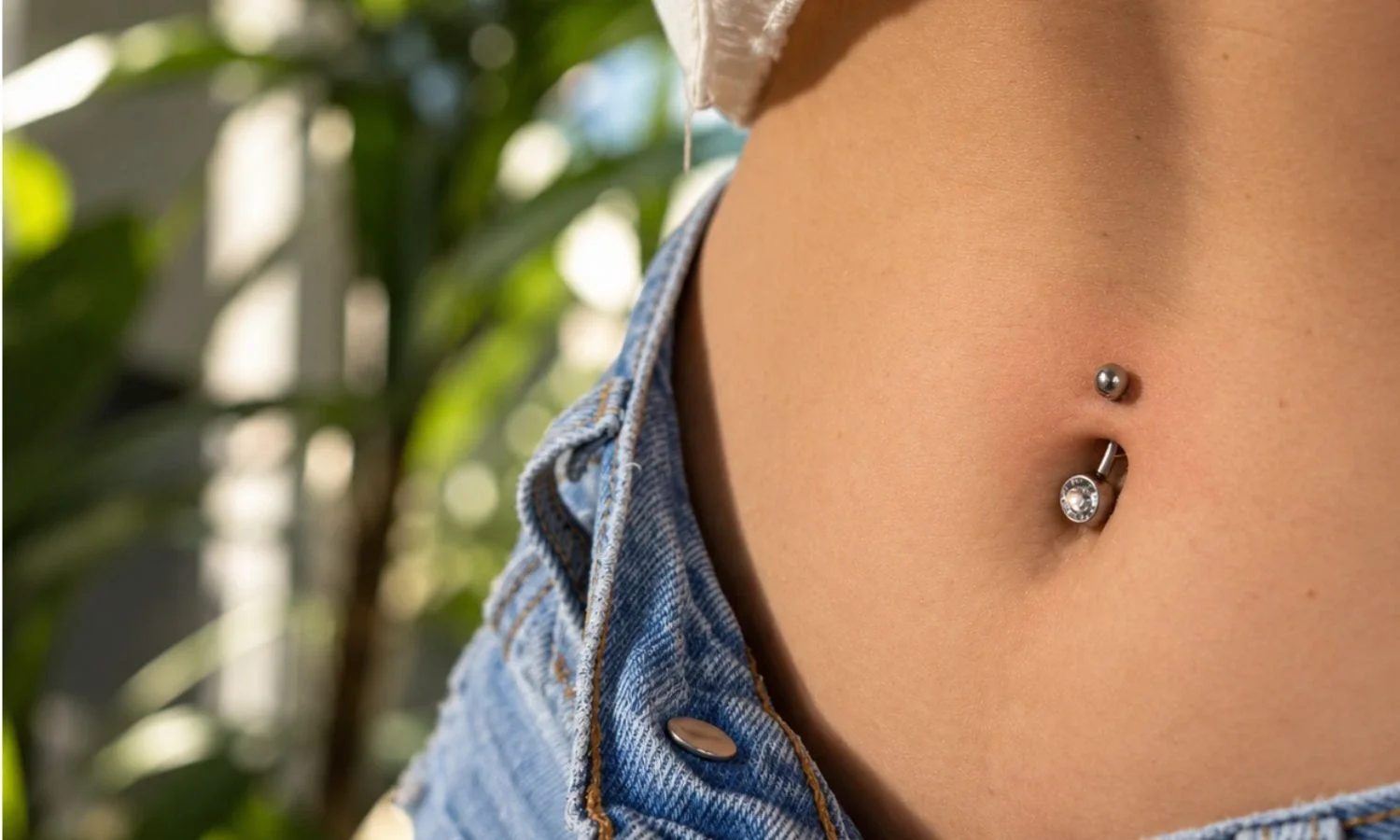
Navel: waistbands, bending, and workouts can irritate it fast.
Nipple: friction from clothing/bras and sweat management matters.
Oral piercings: follow your piercer's instructions closely due to eating/drinking and oral care needs.
The Real Takeaway on Timing
Don't treat feels fine as ready to change jewelry. If you want a different look, the smart move is a check-in. Proper downsizing at the right time can make healing smoother and the final look cleaner.
San Antonio Real-Life Factors That Can Mess With Healing
Heat and Sweat
San Antonio gets hot. Sweat and heat aren't automatic infections, but they can increase moisture and friction. If you're working outside, training hard, or spending weekends outdoors, plan for basic hygiene: shower after heavy sweating, rinse gently, and do your normal saline routine.
Water Activities
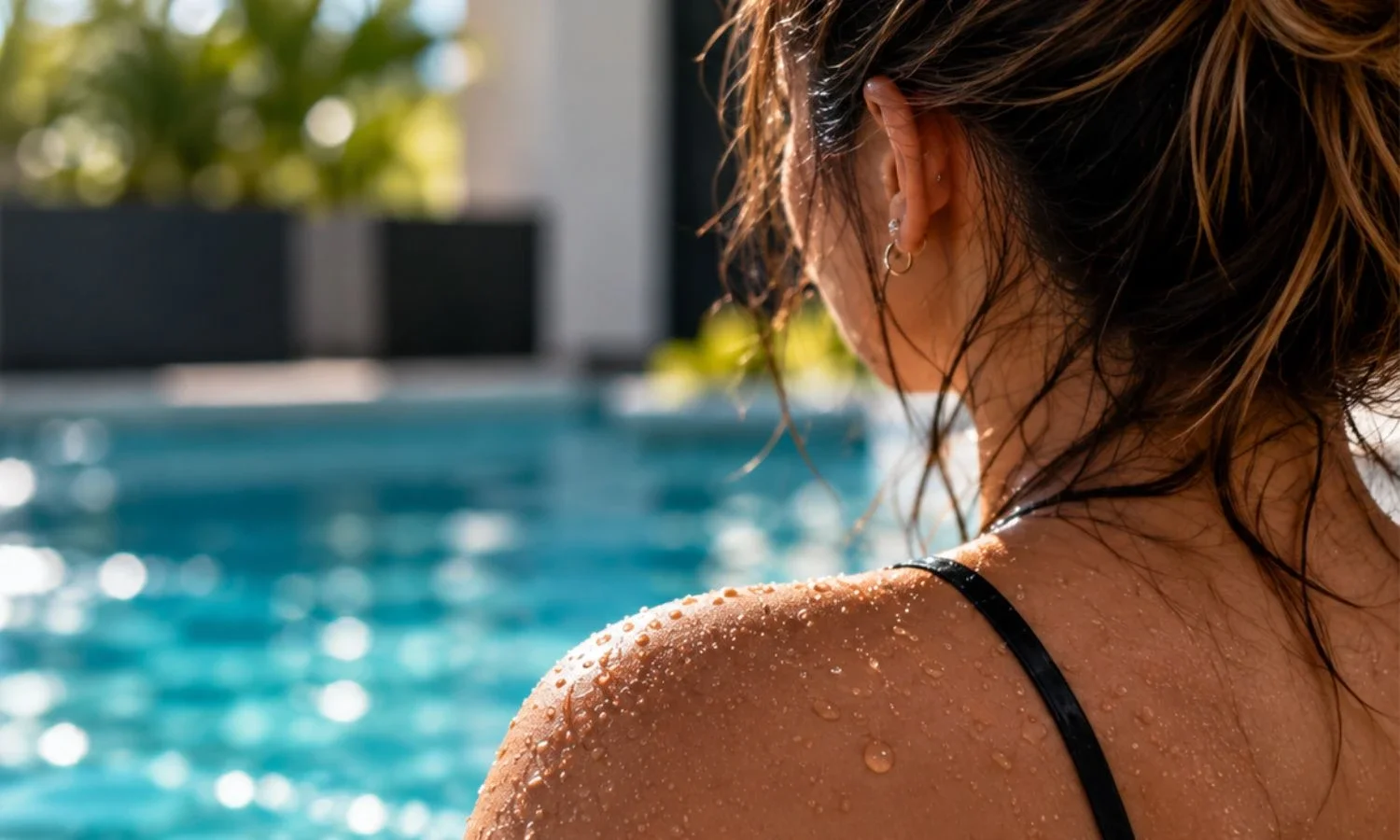
Between pools, hot tubs, rivers, and weekend getaways, water exposure is one of the most common ways people accidentally introduce bacteria to a fresh piercing. If you're planning a trip or you know you'll be in water often, talk to your piercer before you book the piercing.
Busy Schedules and Set It and Forget It Habits
If your days are packed (commute, work, gym, family), choose a placement you can realistically protect. The best piercing isn't just the one that looks good-it's the one you can heal clean without constantly bumping, snagging, or crushing it.
This is exactly why we talk through lifestyle during your appointment. A clean piercing is a team effort-studio work plus smart daily habits.
Jewelry Quality + Fit: The Most Overlooked Aftercare
Jewelry isn't just decoration during healing. It's part of the healing environment. The wrong fit can cause pressure, migration, swelling that won't quit, or irritation bumps that keep coming back.
What Good Initial Jewelry Does
Allows for normal early swelling without being tight
Stays secure without constant snagging
Matches the placement so the angle and movement support healing
Signs Your Jewelry Needs a Professional Check
It feels like it's digging in or sinking into the skin
It's so long that it gets hit, yanked, or twisted constantly
You see persistent redness that looks like pressure irritation
You keep getting the same bump in the same spot
If jewelry feels too tight, starts sinking, catches constantly, or creates pressure bumps, don't DIY a fix. Come in for a check. A quick adjustment at the right time can save you weeks of irritation.
When to Contact Your Piercer vs. a Healthcare Professional
One of the safest things you can do is know who to call for what. Piercers help with placement, jewelry fit, and irritation triggers. Healthcare professionals help with infection and medical treatment.
Contact Your Piercer If:
The jewelry feels too tight/too long
You're dealing with irritation bumps
You keep snagging it and want a prevention plan
You're unsure if your cleaning routine is too much or too little
You want to change jewelry and need the right timing (or downsizing)
Contact a Healthcare Professional If:
Symptoms suggest infection (worsening swelling, spreading redness, thick discharge, heat, severe pain)
You have fever or feel sick
It's a cartilage piercing and symptoms are escalating
You have any concern that the issue is moving beyond normal irritation
One important note: the Association of Professional Piercers warns that removing jewelry may not resolve infection and can increase the risk of abscess formation. If infection is suspected, get medical guidance instead of guessing.
Quick Answers to Common Aftercare Questions
How Often Should I Clean My Piercing?
Most professional guidance stays simple: sterile saline 1 times per day, plus leaving it alone the rest of the time. Follow your piercer's exact instructions for your placement.
Should I Rotate or Twist the Jewelry?
No. Rotating can tear healing tissue and irritate the piercing channel. If someone told you to twist it like an old-school ear piercing, ignore that advice.
Can I Work Out With a New Piercing?
Often yes, but be smart. Avoid pressure and friction, keep gym equipment and hands off the piercing, and shower after heavy sweating. If your workout gear rubs the area (waistbands, sports bras, helmets), consider adjusting the plan or timing.
Can I Sleep on It?
Try not to. Pressure is a major reason cartilage and facial piercings stay irritated. Use a clean pillowcase and change positions so the piercing isn't taking your bodyweight.
Can I Change Jewelry Once It Stops Hurting?
Not always. Pain can drop before the inside is fully healed. If you want a new look, come in and ask about timing and downsizing.
Do I Need to Use Antibiotic Ointment?
Not unless a healthcare professional tells you to. Many ointments trap moisture and can irritate a healing piercing. Stick to the plan your piercer gave you, and get medical advice if infection is suspected.
What If I Think It's Infected?
Get medical advice. Your piercer can help you assess jewelry fit and irritation triggers, but infection symptoms need healthcare guidance.
More questions? Visit our FAQs.
Final Takeaway
Healing safely comes down to smart choices: choose a professional studio, keep aftercare simple, avoid friction and moisture problems, and act fast when something feels wrong.
If you're searching for piercings San Antonio clients trust-done in a clean environment with straightforward aftercare support-Southern Tattoo Society is here for it. We offer professional body piercing and a studio culture built on sterile practices, respect, and craft.
Ready to book? Schedule a consultation at Southern Tattoo Society at 7327 N Loop 1604 W #101A, San Antonio, TX 78249. Start here: contact us.